
A profitable girls dress collection is not the collection with the best-looking samples. It is the collection where every style has a job, every price has been calculated from a real landed cost, and the cash left after the first delivery is still enough to reorder the style that sells. Boutiques rarely lose money on one bad dress; they lose it by buying several similar dresses at the same price point, sizing them too evenly, and having nothing left to spend when a winner emerges. This is the operating sequence that avoids that outcome.
Quick Answer: What Makes a Girls Dress Collection Profitable?
Start with a defined customer, then give every style a commercial role and a price band before you look at samples. Build a good-better-best ladder from real landed cost, buy width before depth, plan size coverage from your own sales rather than from a supplier chart, and hold back a fixed share of the budget for reorders. Profit comes from full-price sell-through and repeat orders, not from the size of the opening buy.
Price Your Collection on Real Numbers
Ready-stock styles from six pieces let you test a full price ladder before you commit to a custom run, and custom development starts from 200 pieces per style with sampling before production.
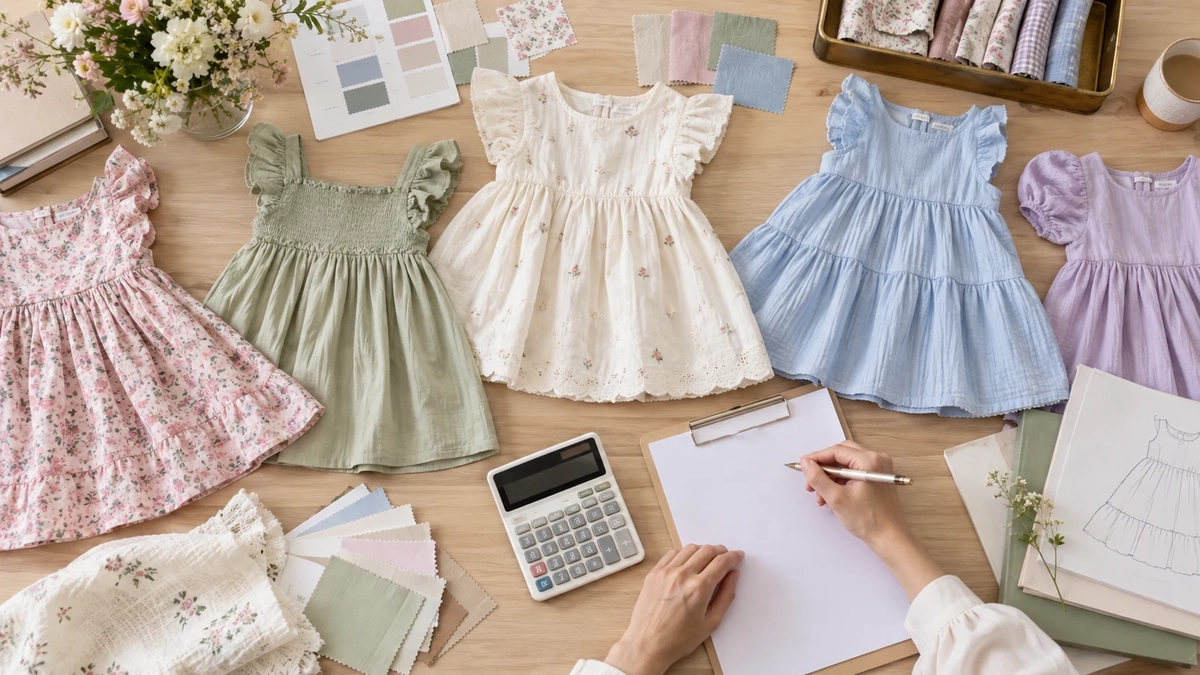
Collection planning starts with the customer, the occasion and the price the customer already pays.
Start With the Customer, Not the Rail
Two boutiques can order the same dress and get opposite results, because the customer decides whether a dress is a bargain, an indulgence or an irrelevance. Before quoting anything, write down three sentences: who the dress is for, what occasion it serves, and the price the customer already pays for that occasion. Every later decision – silhouette, fabric, size range, depth – should be traceable back to those sentences.
This step also protects the buying budget. A sample that is beautiful but belongs to a customer you do not have is not a candidate, however good the wholesale price looks.
Eight Decisions That Determine Collection Profit
1. Define the target customer before selecting products
Write the customer profile in operational terms: age range of the child, the occasion the parent is shopping for, climate, how often they buy, and the price they expect to pay. A boutique serving frequent small purchases needs breadth and fast reorder; a boutique serving one formal purchase a year needs depth in fewer styles and premium finishing. These two stores should not order the same assortment, even if they share a supplier.
2. Give every SKU a commercial role
Every style should have one job: core repeat, occasion driver, price-ladder entry, premium statement, or controlled test. If two styles share a customer, occasion, silhouette and price, they are competing for the same sale and one of them is unnecessary. Roles also simplify the counter conversation, because staff can explain why a dress is positioned at its price.
3. Build a clear good-better-best price ladder
A ladder gives customers a choice inside your store instead of sending them elsewhere. Build three bands and decide in advance what changes between them: fabric weight, lining, finishing, embellishment or packaging. The entry band should still meet your quality standard, and the top band needs a visible reason for its price. A ladder with no visible difference between bands simply trains customers to buy the cheapest.
4. Calculate landed cost before setting retail price
Supplier price is not shelf cost. Add freight, duty, brokerage, inspection, bank charges and the amortised cost of sampling, then apply your markup and compare the result against the price the customer actually pays for that occasion. If the result is above the band, change fabric, construction, packing or order quantity – never the quality of the lining, and never the honesty of the price.
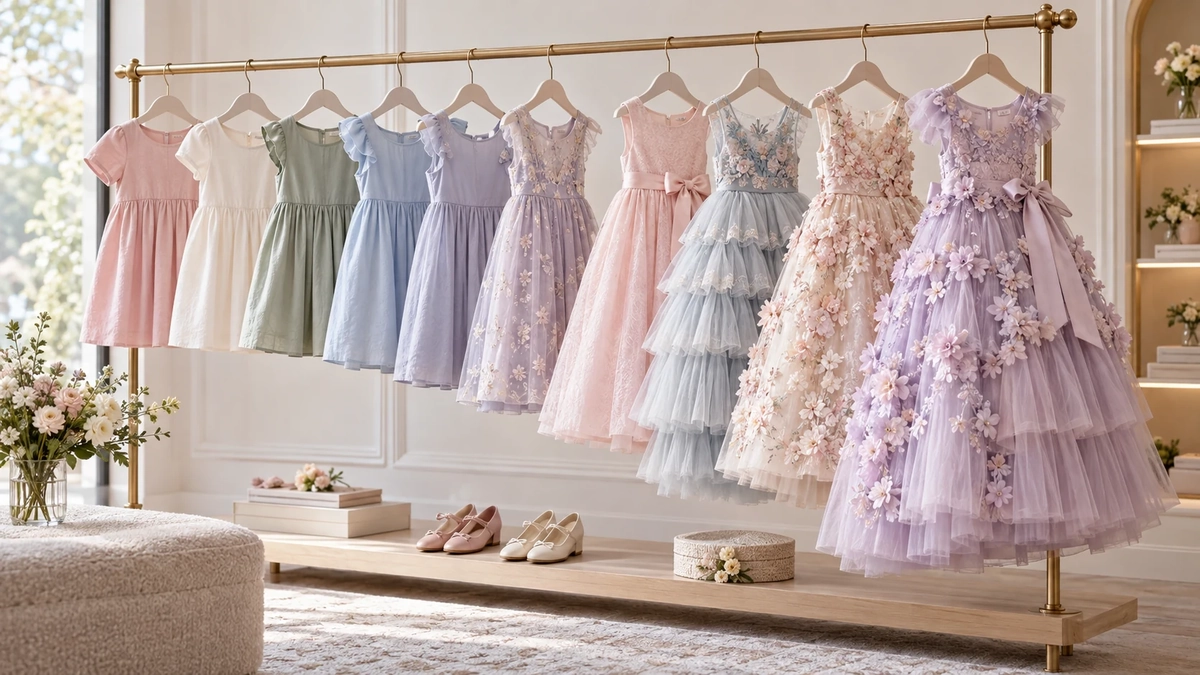
A price ladder only works when the difference between bands is visible on the garment.
5. Buy width first and depth after evidence
Width teaches; depth earns. A first buy across several styles in limited quantities tells you which customer occasion is actually being served, at a much lower risk than committing deeply to one silhouette. Depth should follow demonstrated demand at size level, not a supplier recommendation or a competitor’s rail.
6. Plan size depth from store data
Even size runs look tidy in a plan and tie up cash in a store. Most boutiques sell a narrower band heavily, with a long tail at each end. Review your own units by size, then weight the buy toward the sizes that sell and reduce the extremes. The same discipline applies to color: depth in two colors beats shallow depth in five.
7. Protect cash for reorders and corrections
A collection is only profitable if a winner can be reordered while the demand window is still open. Reserve a defined share of the budget – commonly a fifth to a third – for reorders, replacements and freight corrections, and treat it as unavailable during the opening buy. Custom production timelines make this reserve more important, because a late decision to reorder can mean missing the season entirely.
8. Review sell-through by style, size and color separately
Total sell-through hides the useful information. A style at eighty percent can still be a problem if it sold out in one size in the first fortnight and left the other sizes untouched. Review by style, size and color, add return reasons and unfilled requests, and use the result to set the next buy rather than to explain the last one.
Put the Model to Work This Season
Sequence the work in four steps. First, write the customer and role table for the whole collection. Second, price every role from landed cost so the ladder is defensible before samples arrive. Third, place a width-first order with a defined reorder reserve. Fourth, schedule two review points – one early enough to reorder inside the season, one after the season to carry learnings forward.
The boutiques that repeat this cycle build something a single good season cannot buy: a reliable sense of how much depth their customers will actually absorb. That knowledge is the real asset behind a profitable girls dress collection.

Reviewing sell-through by style, size and color shows where the cash is actually trapped.
Frequently Asked Questions
What markup should a boutique aim for on girls dresses?
There is no single correct multiplier, because freight, duty and the local competitive price all change the answer. Set the retail price from landed cost, then check it against what customers already pay for the same occasion. If the landed-cost price lands above that band, adjust fabric, construction, packing or order quantity rather than compromising quality.
How much of the budget should be held for reorders?
Reserve roughly a fifth to a third of the collection budget for reorders, size gaps and corrections. Treat that reserve as unavailable during the opening buy – it exists so a proven style can be repeated while demand is live rather than after the season has moved on.
Should a new boutique start with ready stock or custom production?
Ready stock first when demand, size mix or color acceptance are unproven, because small quantities can be ordered and delivered quickly. Move to custom development – from 200 pieces per style, with sampling – once a specific fit, fabric or color has been requested more than once.
Sources and Methodology
The operating model here is based on wholesale order patterns across boutiques, online stores and importers. All price references are illustrative and must be replaced with live quotes, current freight rates and destination charges before a purchase decision.
- U.S. International Trade Administration: determining landed cost
- U.S. CPSC: labeling requirements overview
Explore Related Girls Dresses
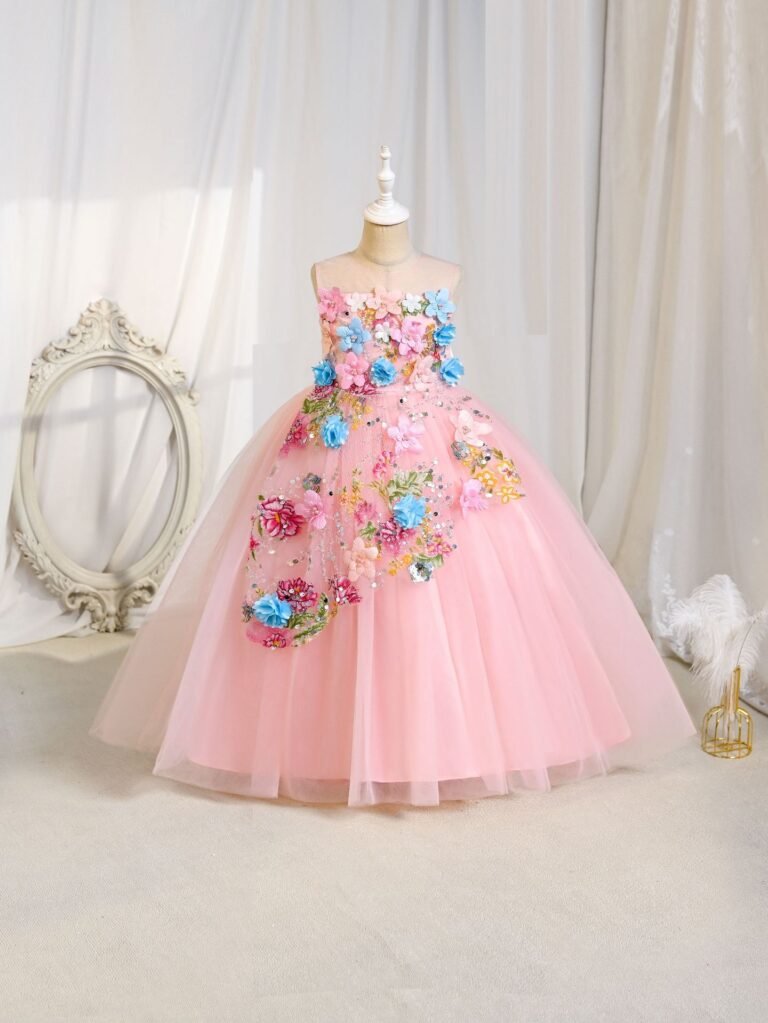
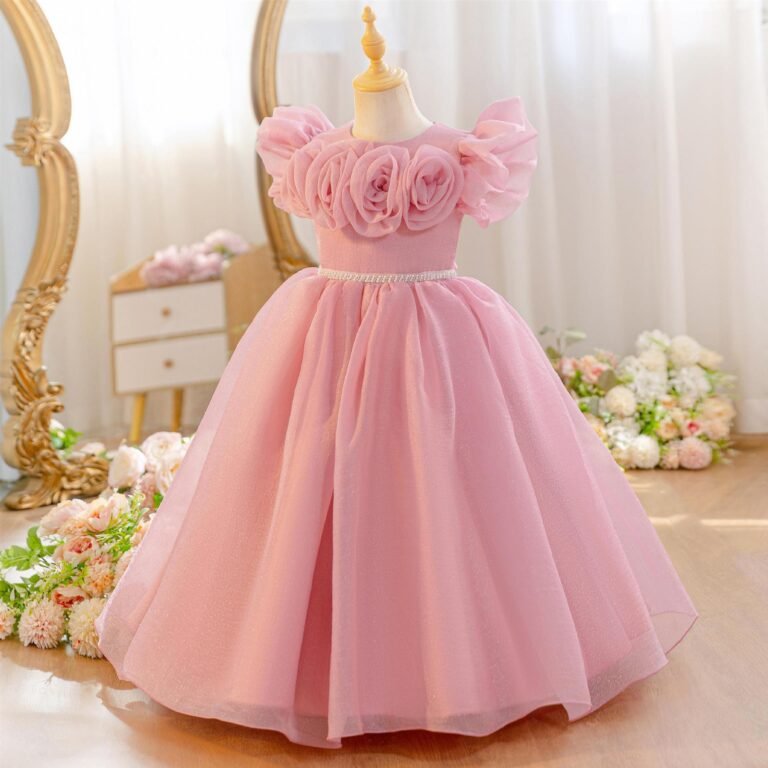
Looking for styles related to this buying guide? Test the collection on ready stock, or move a proven style into custom production with your own label.
Want a Collection Priced on Real Numbers?
Tell us your target customer, retail price bands and opening budget, and we will put together a focused ready-stock shortlist or review the feasibility of a custom range – including sampling, minimums and production timing.
Leave a Reply