
Most ‘best-selling’ lists are written by someone else, for someone else’s customer. A category that turns over quickly in a warm-climate online store can sit for a season in a boutique whose customers buy one formal dress a year. This guide approaches best-selling girls dress categories for boutiques 2027 from the only source that can support a purchase decision: the evidence a store can collect itself – paid demand by category, size and color, return reasons, and the requests it could not fill.
Quick Answer: Which Girls Dress Categories Sell Best for Boutiques in 2027?
The most reliable 2027 categories are occasion dresses with an obvious event use, flower girl styles in reorderable neutrals, birthday dresses with visible value, clean satin for older girls, softly lined tulle, coordinated sibling or ceremony capsules, a separate warm-weather group, and a small experimental layer of tactile detail. What makes a category best-selling is not the label – it is whether the store can reorder it, size it correctly and explain it to a customer in one sentence.
Check Live Availability Before You Lock the Assortment
Selected ready-stock styles start from six pieces, so a boutique can build a category test across seven or eight roles without committing to a full custom minimum.
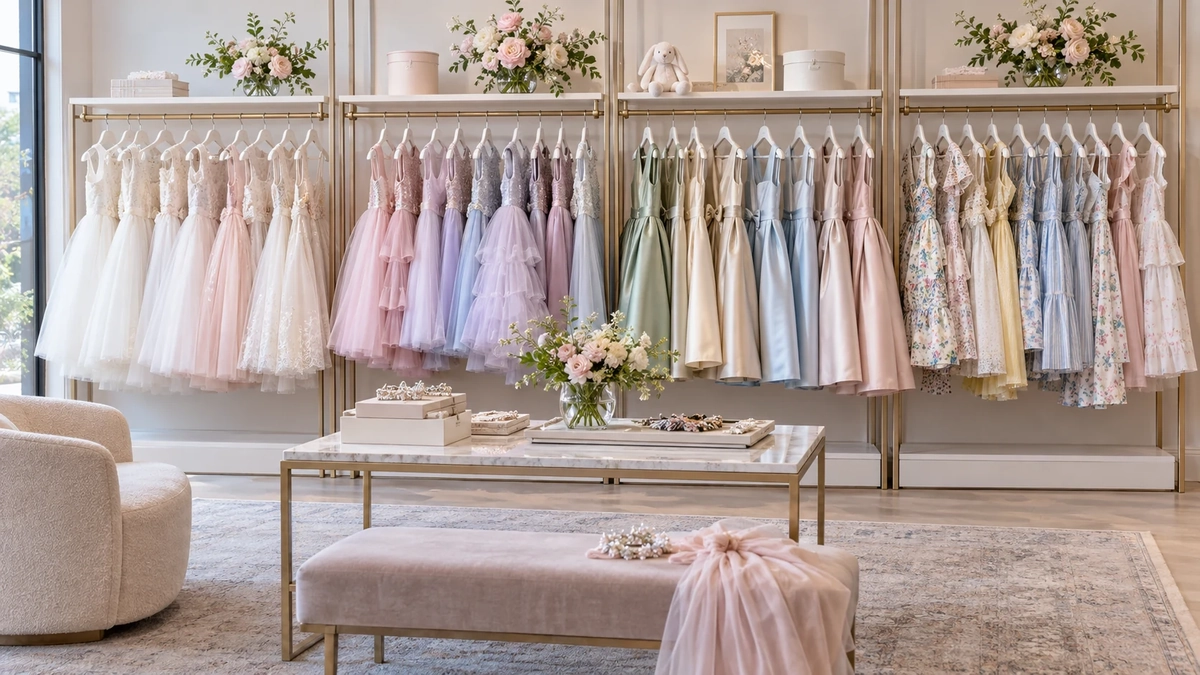
A category-led rack: each style has one job, one customer and one reason to be reordered.
Define Best-Selling With Evidence, Not Adjectives
A category earns the label only when three measured facts agree. First, paid demand: units actually bought by customers, not units tried on or photographed. Second, repeatability: the category sells again in a second delivery window, which separates a trend from a one-off. Third, reorderability: the supplier can repeat the style, color and size in a workable time frame so the sale can be repeated.
A category that fails any one of the three is better described as interesting than as best-selling. This distinction matters because assortment budget spent on a category that cannot be reordered is budget that cannot be recovered when it underperforms.
Eight Categories Worth Structuring a 2027 Assortment Around
The categories below are roles first and products second. Each has a defined job in the assortment, a customer who needs it, and a reason it can be repeated across a selling window.
1. Occasion dresses with a clear event use
The strongest role in any boutique is a dress a customer can describe in one sentence – a wedding, a birthday party, a first day of school, a family photograph. Clear occasion use lowers the explanation cost at the counter and makes the size conversation easier, because the customer already knows what the dress is for. Stock this role deepest and keep the silhouettes familiar rather than novel.
2. Flower girl styles in reorderable neutral colors
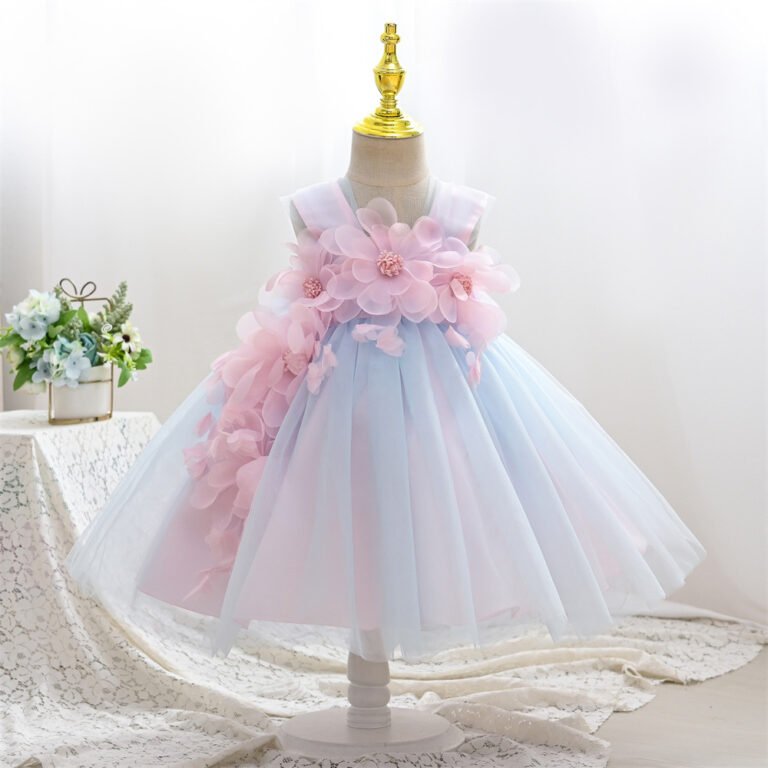
Flower girl demand arrives as a group order rather than a single sale: two or three children in matching or coordinated dresses from one wedding. That makes neutrals important, because ivory, blush and sage repeat across different weddings while a fashion color serves one event only. Keep the core in neutrals and hold one accent at low depth for brides who want something distinct.
3. Birthday dresses with obvious visual value
Birthday purchase decisions are emotional and quick, and the customer is usually comparing photographs rather than construction. Visible value – a full skirt, a layered hem, a clear bow, a readable print – justifies the price at a glance. This is also the category where novelty is safest, because the garment has a short life and the customer is not looking for a wardrobe staple.
4. Clean satin looks for older girls
Older girls and junior bridesmaids are the least crowded part of the boutique dress market. Satin delivers formality with very little decoration, so the cost stays predictable and the price point can sit above a tulle party dress. It also needs disciplined pressing and seam quality, so buy this role from a supplier whose sample finishing you have already inspected.
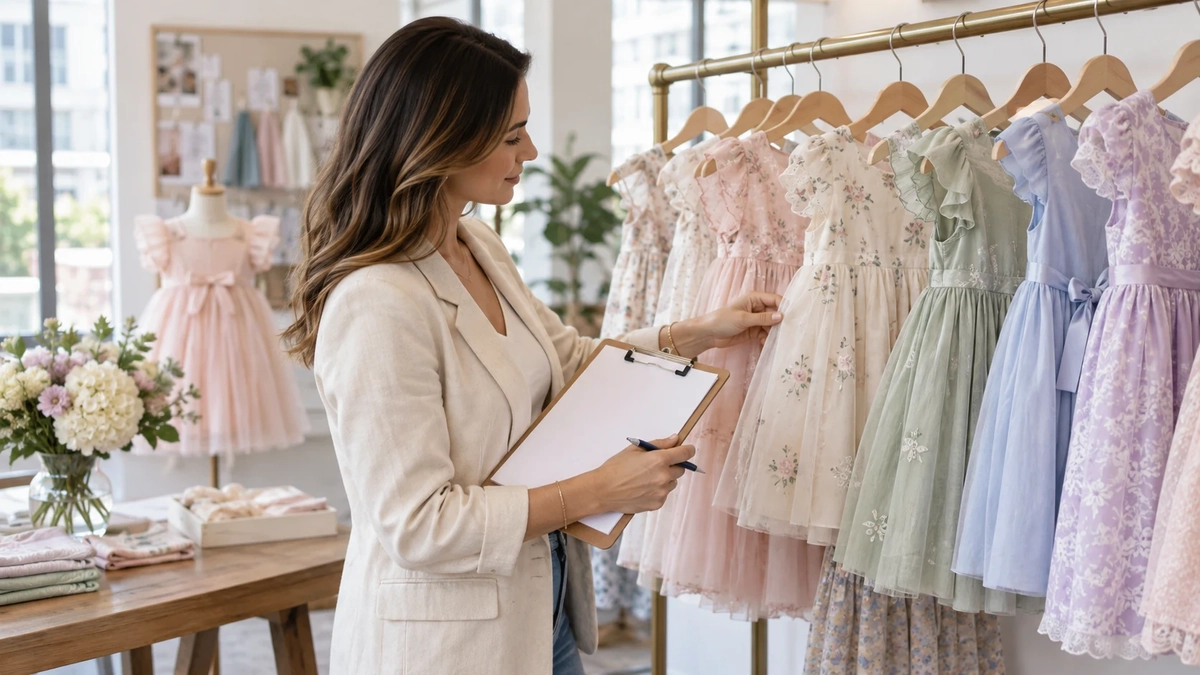
Scoring several styles against the same criteria is faster than judging them one at a time.
5. Soft-volume tulle with comfortable lining
Tulle volume is a reliable seller when the dress is wearable. The recurring complaint is not appearance but irritation at the waist and shoulders, so lining quality and seam finishing decide whether the customer comes back. Treat this role as a repeat-purchase category rather than a single-event sale: comfort is what converts a first purchase into a second.
6. Coordinated sibling or ceremony capsules
A capsule lets one store answer a group purchase – siblings at a wedding, cousins at a birthday, a school ceremony. It usually takes the form of two or three related styles in the same color family, with one style aimed at younger children and one at older girls. The role is small in unit terms but valuable in basket size, because one conversation produces multiple units.
7. Summer dresses that earn a separate warm-weather role
A summer dress is not the spring dress in a lighter color. It needs breathable fabric, a construction that survives frequent washing, and opacity that holds in bright light. Buyers who try to serve summer with the existing spring assortment usually end up discounting both. Give the role its own fabric standard and its own delivery window.
8. A small experimental layer of tactile, floral or bow detail
Every assortment needs one place to learn. Reserve a small budget for a tactile fabric, an unusual floral or a structured bow, and judge it on a single question: did customers ask for it a second time? This layer should never absorb the cash the core role needs, and its results should feed the next buy rather than justify an immediate reorder.
Turn Categories Into a Buyable Assortment
Write the assortment as a table with four columns: category role, customer, price band, and evidence required to reorder. Then assign depth. A dependable occasion role can carry a wider size run; a novelty birthday style can carry width without depth. The purpose of the table is to stop a strong-looking sample from quietly taking the depth that belongs to a proven role.
Set a decision date for each experimental style before it goes on the rail. Naming the week when you will review sell-through, returns and unfilled requests converts an opinion into a decision you can defend to yourself next season. Keep the rejected scorecards and the sold-out notices: they are the cheapest market research a boutique can collect.

Reorder reviews look at size-level gaps and return reasons, not only total units sold.
Frequently Asked Questions
How many dress categories should a boutique carry at once?
Enough to cover distinct customer occasions, and no more than the store can size properly. Seven or eight roles – occasion, flower girl, birthday, older-girl satin, tulle volume, coordinated capsule, summer and one experimental layer – usually cover a children’s dress offer without splitting size depth across near-identical products.
How long should a boutique wait before calling a category a best seller?
At least one full selling window with paid demand, and ideally a second window to confirm the category repeats. Attention in the first fortnight is not evidence; repeat demand, low returns and clean size sell-through are.
Should a new boutique buy categories or single styles first?
Categories first, then styles inside them. Deciding the roles makes the style choices much easier, ensures the rail covers different customer occasions, and prevents two styles from competing for the same sale.
Sources and Methodology
This article defines best-selling through store-level evidence rather than published rankings, and deliberately avoids quoting market-size figures that cannot be verified. Category roles reflect our own experience of wholesale girls dress orders across boutiques, online stores and importers.
- Vogue: Spring/Summer 2027 trend predictions
- U.S. CPSC: labeling requirements overview
- U.S. International Trade Administration: determining landed cost
Explore Related Girls Dress Categories
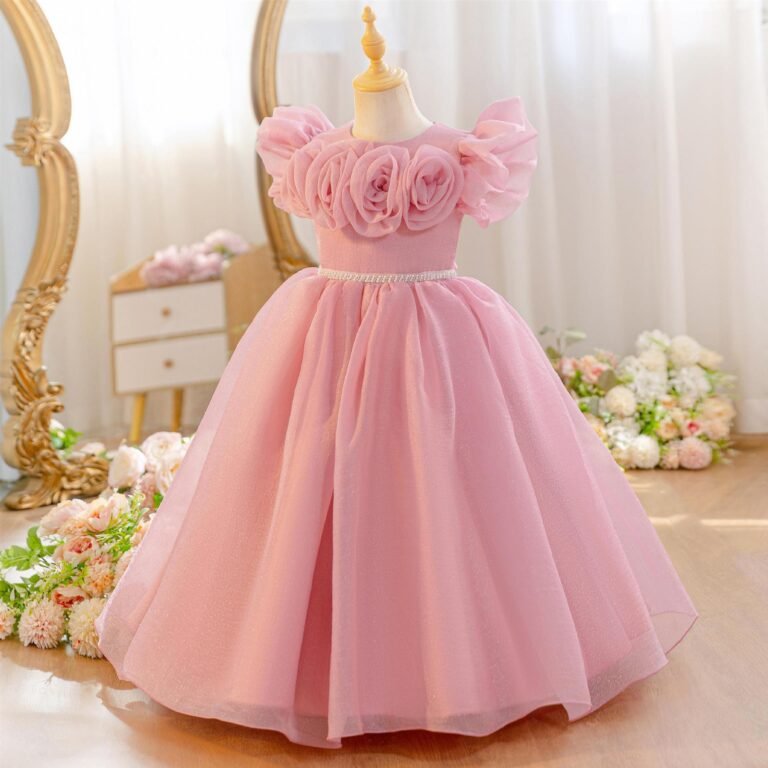
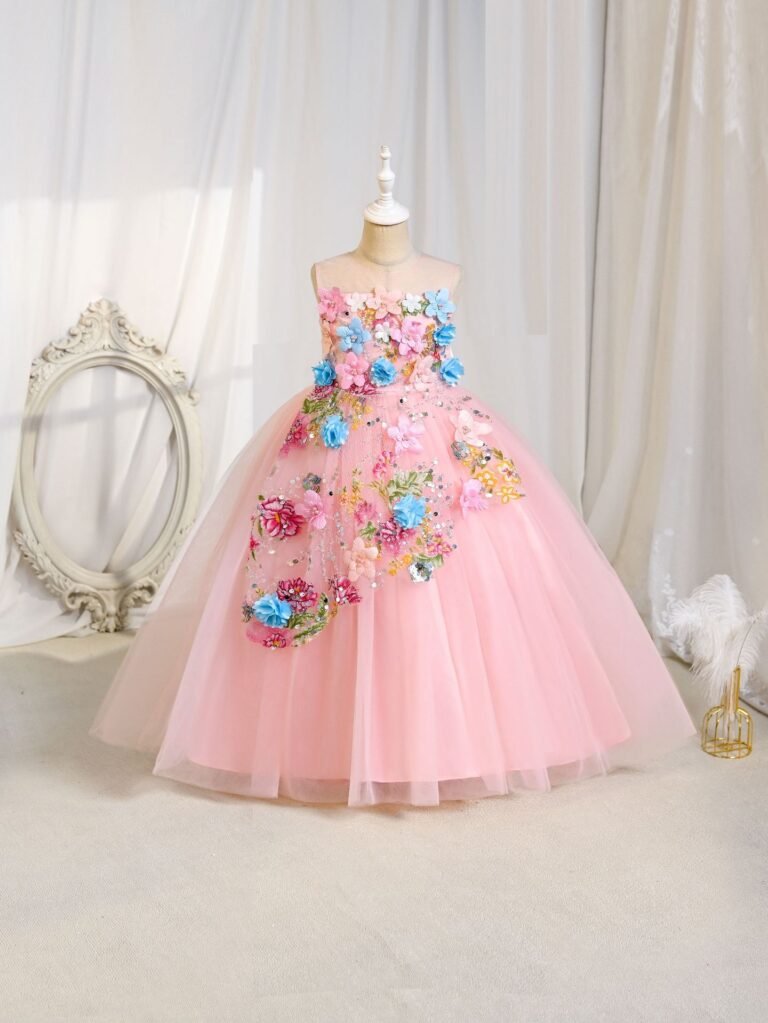
Looking for styles related to this buying guide? Browse the wider ready-stock range to test a category in small quantities, or discuss a custom range once demand is proven.
Building a 2027 Category Plan?
Send your target customer, price bands and store type and we will put together a category-led ready-stock shortlist you can test in small quantities before any custom commitment.
Leave a Reply