
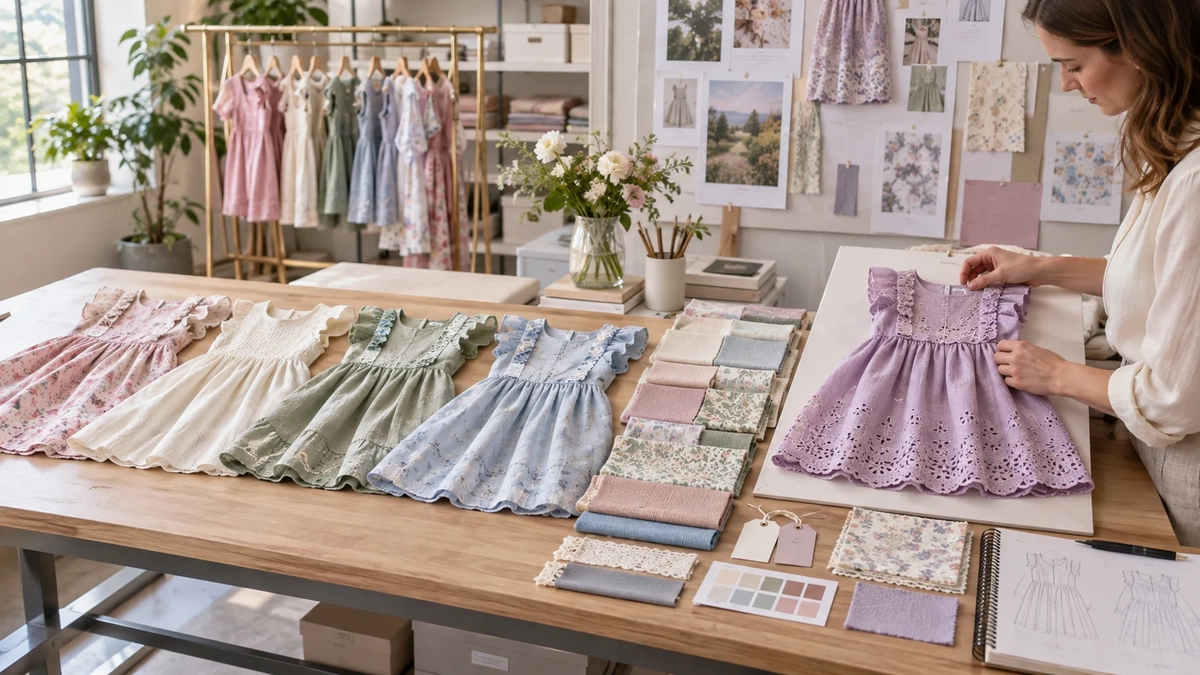
Moving from ready stock to custom OEM is a capital decision, not a design decision. It makes sense when a style has already produced paid demand, the store knows exactly what it wants to change, and the cash and timeline can absorb sampling and a production minimum. It makes no sense as a way to feel more like a brand. This guide is a decision framework for ready stock vs custom OEM dresses rather than another feature comparison, and it sets out the evidence that should exist before a boutique commits – plus the stage gates that stop a good idea from becoming an expensive one.
Quick Answer: When Should a Boutique Move to Custom OEM Dresses?
Move when a style has sold through more than one selling window, customers have given specific fit, fabric or colour feedback worth solving, the target retail price can absorb development cost, cash covers sampling and a production commitment, the size curve is stable, the differentiation brief is more than a logo, and there is time for sampling plus production before the selling window. If two or more of those are missing, stay on ready stock and keep collecting evidence.
Ready to Test the Idea Before You Commit?
Custom development starts from 200 pieces per style with sampling before production. If your evidence is not there yet, our ready-stock range from six pieces per selected style is the cheaper way to keep testing.
{{FIG1}}
Ready Stock vs Custom OEM Dresses: What Actually Changes
Ready stock is buying an existing product: the pattern, fabric, colour and specification are already fixed, quantities are small and delivery is quick. Custom OEM is buying a commitment: your own specification, your own labels, a development fee, a minimum order quantity per style and a production timeline measured in weeks after sample approval. The product may look similar; the risk profile is completely different.
That is why the trigger should be evidence rather than ambition. A custom range that follows proven demand behaves like an investment; one that precedes it behaves like a bet on taste.
Eight Gates to Pass Before Committing to Custom OEM
1. Repeated paid demand across more than one selling window
One strong season can be weather, a local event or a single customer. Two windows of paid demand – orders, not enquiries or social engagement – show that a real demand pattern exists. Keep the size-level detail too: a style that sells out in one size twice is a clearer signal than one that sells evenly once.
2. Clear fit, fabric or colour feedback worth solving
Custom development should fix something specific. The strongest briefs come from repeated feedback: the waist runs small, the colour does not match the local palette, the tulle needs a softer lining, the length is wrong for the market. A brief written from customer complaints produces a better product than a brief written from a mood board.
3. A target price and margin that can absorb development
Custom production usually costs more per unit at first than a comparable ready-stock style, because development, sampling and minimum quantities all sit in the first order. Work out the retail price the custom dress needs, check it against what your customers already pay, and confirm the margin still survives if freight rises. If it only works at the best-case price, the timing is wrong.
4. Enough cash for samples and a production commitment
Budget for sampling and for the full minimum quantity before starting. When no pattern exists, development work typically runs about USD 80 to 150, and sampling commonly takes five to seven working days after the specification is confirmed. The production order then follows at a minimum that is usually far larger than a ready-stock test, so the cash requirement should be planned, not discovered.
{{FIG2}}
5. A stable size curve
Custom grading is only as good as the size information behind it. If the store’s size mix is still moving, a custom run will freeze today’s uncertainty into a full production order. Wait until the size distribution has repeated across at least two selling periods, then use that distribution to set the run.
6. A real differentiation brief rather than a logo-only request
Private label is a tool, not a strategy. If the only change is a woven label, the customer will not notice and the extra cost is hard to justify. Aim for one or two changes a customer can actually perceive: a fit improvement, a fabric upgrade, a colour the market asks for, a construction detail, or a coordinated size range. Take a brief that names the customer problem and the change together.
7. Time for sample approval and bulk production
Plan backwards from the selling window. Specification confirmation, sampling and any revision, sample approval, then bulk production – commonly 25 to 40 days after sample approval – all sit before shipping time. A custom range started three weeks before the season will miss it. If the window is tight, either test on ready stock first or start the development earlier than feels necessary.
8. An inspection, labelling and launch plan
Decide before production how quality will be checked, what the care and content labels will say, and how the first delivery will be launched. Labelling obligations differ by market and should be confirmed with a qualified professional. A custom run that arrives without a launch plan converts a product advantage into slow-moving stock.
Using the Gates as a Decision
Score the style against the eight gates and count how many are genuinely met. If most are met, start development with a written brief, a target price and a delivery date, and treat the sample as a checkpoint rather than a formality. If several are missing, keep the style on ready stock, keep recording evidence, and revisit the decision next season – ready stock is not a failure state, it is the evidence-gathering phase.
One practical middle route is worth knowing: many suppliers can adapt an existing ready-stock style with a different colour, a label change or a small construction adjustment before a full custom development is justified. That step produces a distinct product at a fraction of the development risk, and it usually tests the market more honestly than a fully bespoke range.
{{FIG3}}
Frequently Asked Questions
How many pieces do I need to order for custom OEM girls dresses?
Custom development generally starts from 200 pieces per style, depending on fabric and construction, and it normally includes a sampling stage before bulk production. Ready stock is the lower-commitment route while demand is still being proven, with selected styles available from six pieces.
How long does custom development and production take?
Pattern and sample development typically takes about five to seven working days after the specification is confirmed, and bulk production commonly runs 25 to 40 days after sample approval. Shipping time sits on top of that, so plan backwards from the date the stock must be on the rail.
Is custom OEM worth it if the only change is my own label?
Usually not on its own. Private label matters most when it is combined with a change the customer can perceive – fit, fabric, colour, construction or a coordinated size range. A label-only project carries the development cost and minimum quantity without changing why a customer chooses the dress.
Sources and Methodology
The stage gates described here are operational criteria drawn from how boutiques and importers move between ready-stock sourcing and custom development. Development fees, sampling times and minimum quantities reflect our current published terms; confirm labelling and market requirements with a qualified professional.
- U.S. CPSC: labeling requirements overview
- U.S. International Trade Administration: determining landed cost
Explore Ready Stock and Custom Options
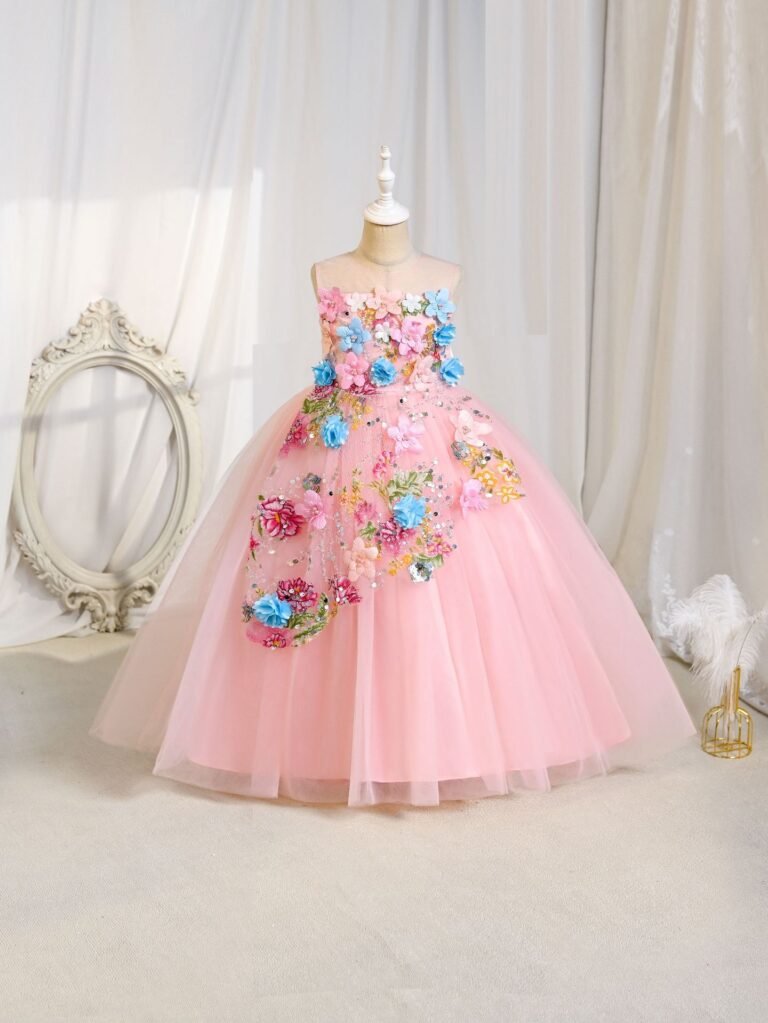
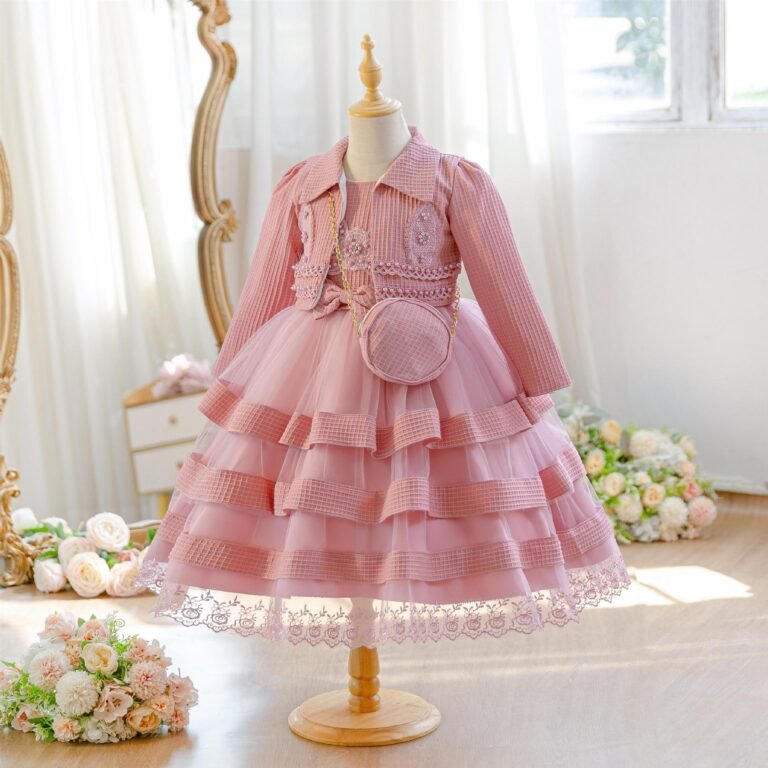
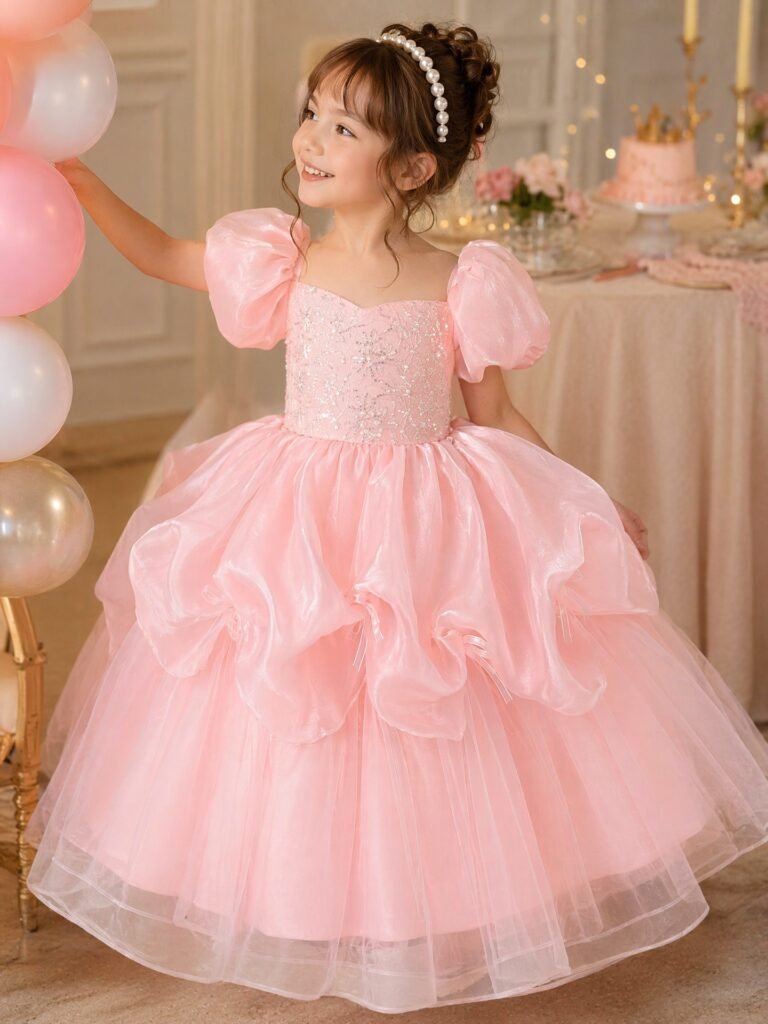
Looking for styles related to this buying guide? Keep a proven seller moving on ready stock while you develop, or start a custom range once the eight gates are met.
Thinking About Your First Custom Range?
Send a proven style, its sales pattern and the specific changes you want, and we will review feasibility – fit, fabric, colour, labelling, minimums and the timeline you need to hit.
Leave a Reply