
A size run is a cash decision disguised as a table. The same budget buys twelve styles across four sizes or six styles across eight sizes, and only one of those shapes will suit the customer standing in the store. Girls dress size run planning is therefore less about country size charts and more about deciding which sizes your customers actually buy, how deep each one needs to be, and how a dress’s silhouette and use change that answer. This guide covers the design decisions; national size conversion belongs in a dedicated size guide.
Quick Answer: How Should a Wholesale Buyer Plan a Girls Dress Size Run?
Fix the measurement standard first, then separate age labels from garment measurements. Split demand into toddler, core girls and older-girl bands, and treat long formal dresses differently from forgiving A-lines. Plan adjacent sizes for ceremony groups, use returns and exchanges as fit data, track stockouts by size rather than by style, and only regrade a custom pattern after you have reviewed real fit feedback.
Get Real Measurements Before You Plan Depth
We can supply current garment measurements for ready-stock styles so your size run is built on numbers rather than on age labels – and review a grading plan if you are developing a custom range.
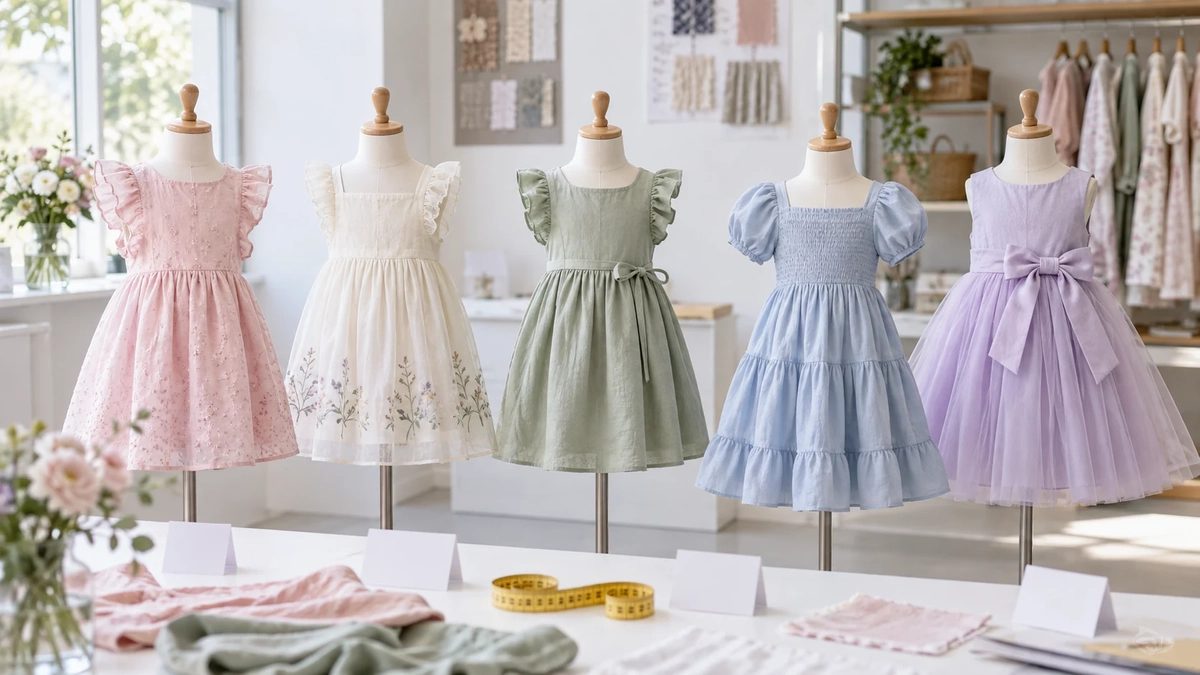
A size plan built on finished-garment measurements, not on age labels.
Sizes Are Money, Not a Formality
Size depth is the least visible and most expensive part of a wholesale order. A style that sells out in one size in the first fortnight and leaves the other sizes untouched has not succeeded; it has tied up cash in the wrong places and lost sales at the same time. Planning the run properly means deciding, before ordering, which sizes carry the assortment and which sizes exist only for coverage.
Two stores ordering identical styles can need completely different runs, because the answer depends on who buys, how they buy and what the dress is for. Start from those inputs rather than from a supplier’s default range.
Eight Decisions Behind a Workable Size Run
1. Define the actual measurement standard first
Agree which body measurements the chart describes – chest, waist, hip, length – and how the garment is measured when flat. Ask whether the chart refers to the body or the finished garment, because the difference is often several centimetres and is a common cause of returns. Every later comparison depends on this being consistent between styles and between orders.
2. Separate age labels from garment measurements
Age labels are navigation for customers, not measurements for buyers. Two four-year-old dresses from different suppliers can differ substantially in chest and length. Build the plan on garment measurements and use the age label only as a shelf grouping, so a repeat order can be checked against the original specification instead of against an assumed label.
3. Segment toddler, core girls and older-girl demand
The three bands behave differently. Toddler sizes turn over quickly, need comfort and easy closures, and are bought by parents who replace dresses as the child grows. Core girls sizes carry the highest volume in most stores. Older-girl and junior-bridesmaid sizes sell less often but at higher prices, and they need a different silhouette. Plan each band with its own depth assumption rather than spreading units evenly.
4. Treat long formal dresses differently from forgiving A-lines
An A-line with an elasticated or adjustable waist tolerates a size either side; a fitted bodice with a fixed waist does not. That means formal fitted styles need accurate measurements and fewer size options bought deeper, while softer shapes can carry a wider run at the same cost. Match the size strategy to the garment’s tolerance, not to a habit.

Fitted bodices need accurate measurement control; softer shapes tolerate a wider run.
5. Plan adjacent sizes for ceremony groups
Flower girl, wedding and family-photograph sales arrive as groups of children of different ages. If the store cannot supply two adjacent sizes in the same color at the same time, the group sale moves elsewhere. Keep at least one adjacent size available in your core colors, even when it turns over slowly on its own.
6. Use channel returns and exchanges as fit data
Returns and exchanges are the cheapest fit research available. Record whether the garment was too small, too large or the wrong length, and at which size. A pattern of returns at one size points to a grading problem; a pattern of length complaints points to a specification problem. Both should change the next order rather than being absorbed as a cost of doing business.
7. Watch stockouts by size, not just by style
Style-level reporting hides the useful signal. Track which sizes run out first and how early in the selling window, then weight the following order toward them. A stockout in one size is a lost sale; a stockout in a size that repeatedly sells out first is a planning error worth correcting.
8. Regrade custom patterns only after reviewing fit evidence
Changing a grade rule affects every size in the run, so it should follow evidence rather than a single fitting complaint. Collect measurements from returned or exchanged garments, compare them with the approved specification, and confirm the pattern change on a new sample before committing to bulk. Regrading after production has started is the most expensive way to fix a fit problem.
Turning the Run Into an Order
Write the run as a grid: sizes down one side, styles across the top, and units in the cells. Then mark your core sizes – the two or three that account for most of your sales – and give them real depth. Keep the ends of the range shallow, and leave a small reserve for the size that sells out unexpectedly. Finally, check the grid against the customer occasions you need to serve: if a group sale needs two adjacent sizes in the same color, that combination must exist, not just the individual sizes.
Review the grid after each selling window using units, stockouts and return reasons. A size run that is reviewed becomes more accurate each season; one that is copied forward each year does not.
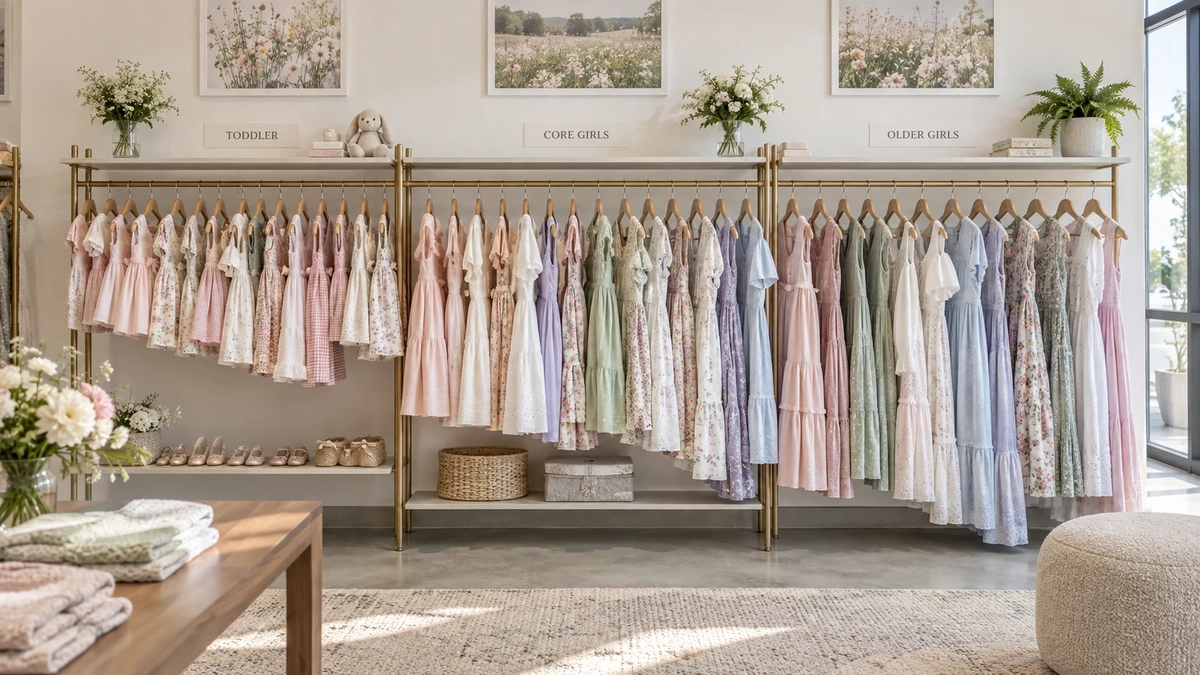
Wholesale size bands differ in turnover and price, so they should not be planned evenly.
Frequently Asked Questions
Should a buyer base a size run on age or on measurements?
On measurements. Age labels are useful for how the customer navigates the rail, but garment measurements are what determine fit, returns and whether a repeat order matches the first delivery. Ask for the measurement method and the finished-garment chart for every style you buy.
How many sizes should a boutique carry in each dress style?
Enough to serve the customer occasions you sell, weighted toward the sizes that actually sell. Most boutiques are better served by a focused run with genuine depth in two or three core sizes, plus adjacent sizes in the colors used for ceremony groups, than by an even spread across the full age range.
When should a custom dress pattern be regraded?
Only after reviewing measurable fit evidence – returns, exchanges and garment measurements compared with the approved specification – and confirming the change on a new sample. Grading changes affect every size in the run, so they should be driven by data rather than by one fitting comment.
Sources and Methodology
This article covers size-run design and does not replace a national size conversion chart. Measurement practice described here refers to finished-garment dimensions confirmed at specification stage; grading decisions should always be validated on a physical sample before bulk production.
- U.S. CPSC: labeling requirements overview
- U.S. International Trade Administration: determining landed cost
Explore Styles With a Full Size Range
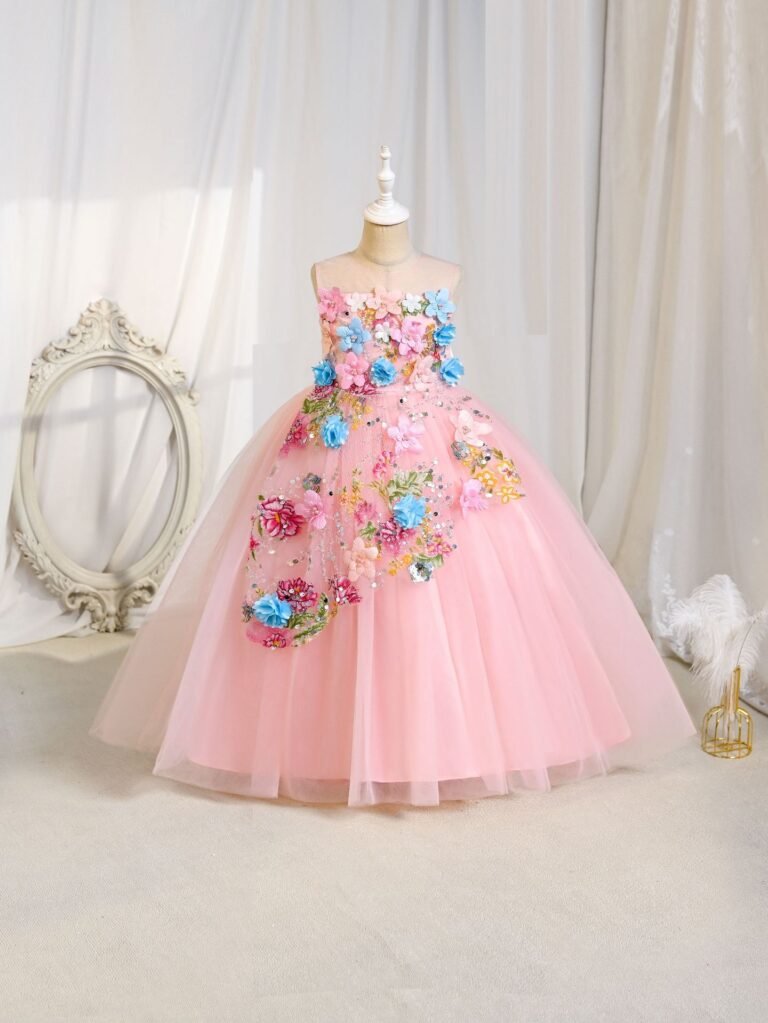
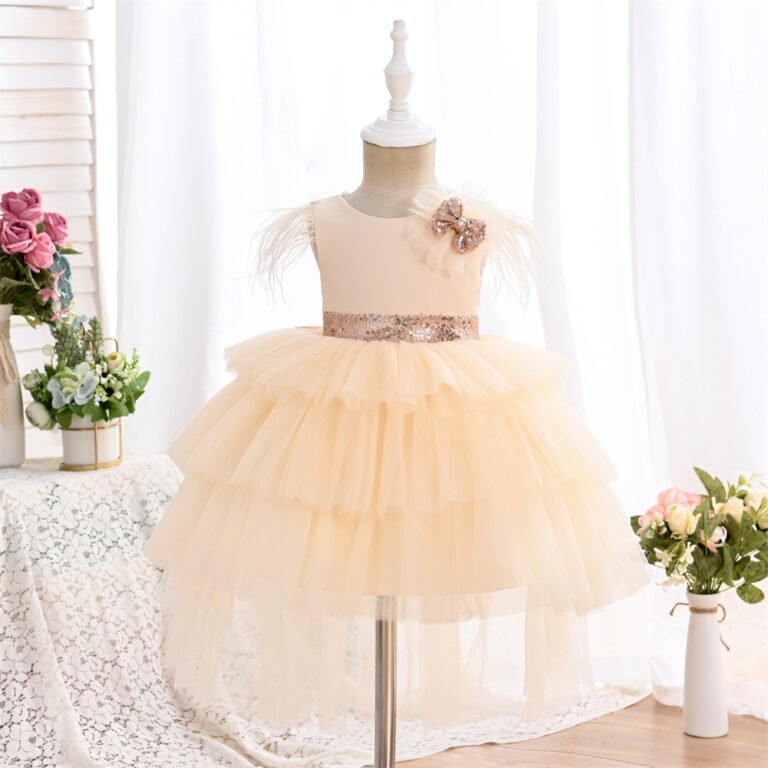
Looking for styles related to this buying guide? Browse ready-stock styles with broad size coverage, or discuss a custom size run once your fit evidence is clear.
Want Measurements Before You Plan the Run?
Share your target market and the size bands you sell most, and we will send current garment measurements for the styles you are considering – or review your size chart before a custom grading run.
Leave a Reply