

The wholesale price on a quotation is the beginning of a calculation, not the answer to it. Boutiques that compare suppliers on unit price alone are comparing a fraction of the cost, because freight method, order size, destination charges and sampling all land in the same per-unit figure. The three worked examples below show how a boutique dress import cost changes with the shipping method and the order size, because the same dress can carry three different landed costs. Every figure is illustrative and must be replaced with live quotes before a purchase decision.
Quick Answer: How Do You Calculate a Dress Landed Cost?
Start with the Incoterm and the named place, confirm exactly what the supplier quote includes, classify the product with a broker, then add freight, insurance, destination and brokerage charges, inspection, bank fees and amortised sampling. Divide the total by the number of sellable units – not the number ordered – to get per-unit landed cost. Finally run a slower-selling and a higher-freight case before you set the retail price.
Get a Quote Basis You Can Calculate From
We quote with a clear Incoterm and packed carton dimensions per dozen, so you can compare freight methods and per-unit cost before you commit to a quantity.
{{FIG1}}
Why the Unit Price Is Not the Boutique Dress Import Cost
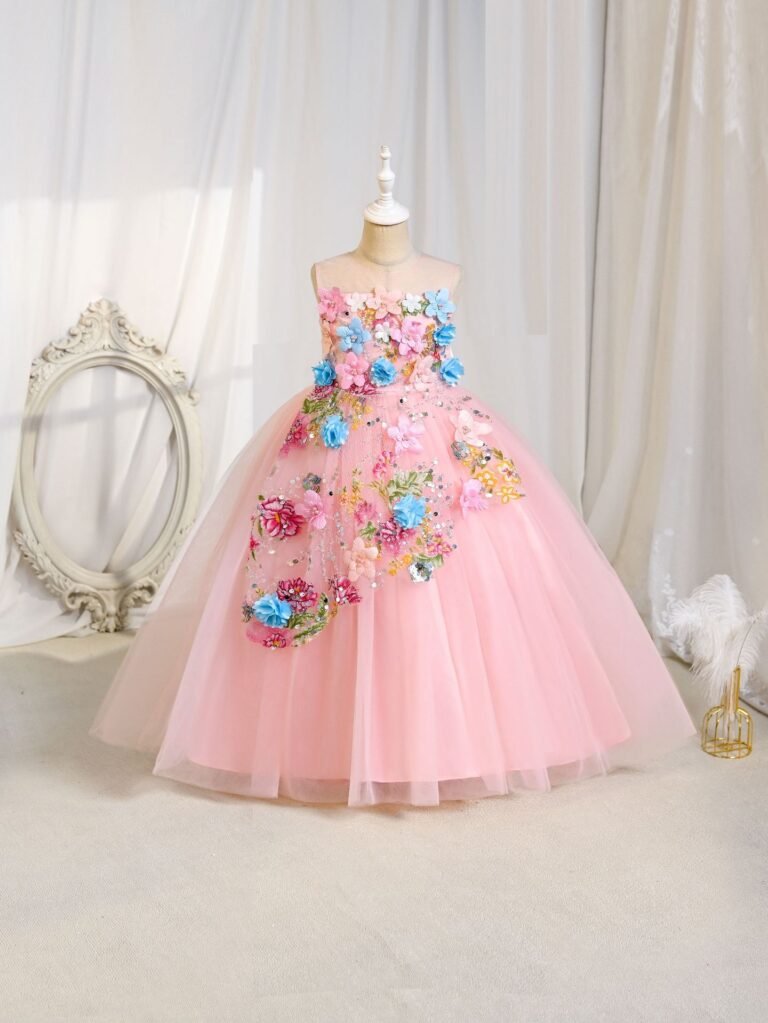
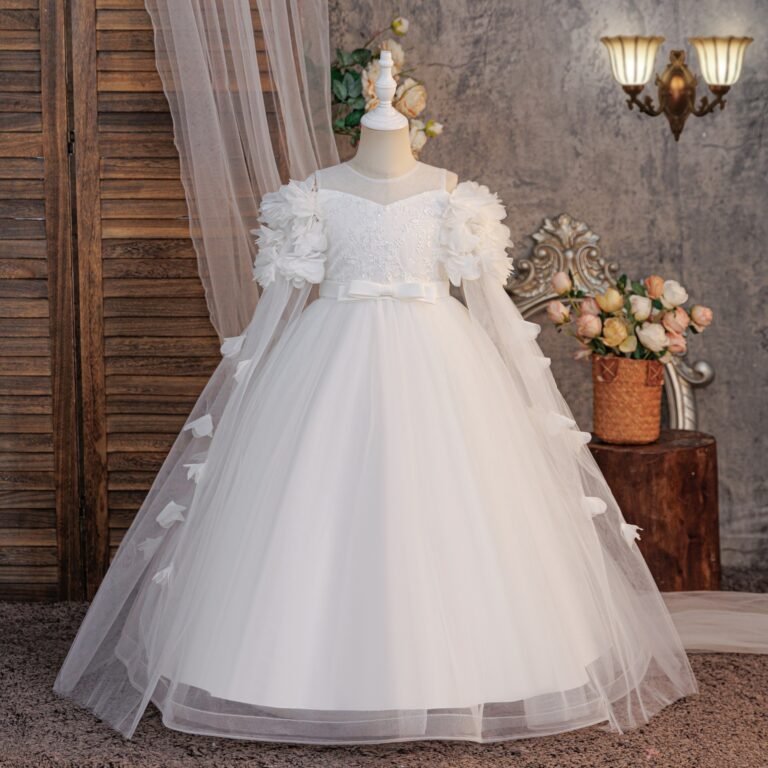
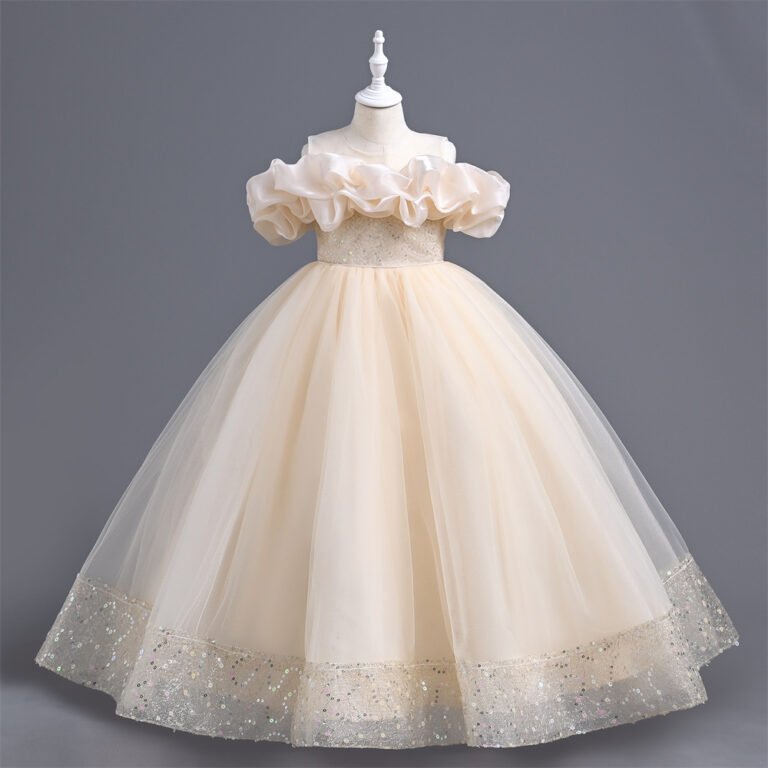
Two suppliers can quote the same dress at the same unit price and deliver very different margins, because the cost that decides the outcome sits outside the invoice: how much space the garments occupy in transit, whether the shipment is consolidated, how the goods are classified, and how many pieces actually arrive in sellable condition. A tulle dress can occupy forty percent more cubic volume than a satin dress of the same unit price, and freight is charged on volume as often as on weight.
The examples below are deliberately simple so the arithmetic is visible. Treat the numbers as placeholders that show the sequence; replace every one of them with a live quote.
Eight Steps in the Calculation
1. Define the Incoterm and named place
The Incoterm decides who pays for what between the factory and your door. FOB and EXW leave more of the cost with you; DDP places more with the supplier but also hides the composition of the price. Agree the term and the named place in writing, because two suppliers quoting the same term can mean different things in practice.
2. Confirm what the supplier quote includes
Ask directly whether the unit price covers fabric, trims, labels, hang tags, polybags and export packing, and whether it includes any testing. Ambiguity here is the most common source of an unpleasant surprise later, and it is fully in the buyer’s control to remove before ordering.
3. Use the correct customs classification with a broker
Duty rates follow classification, and classification depends on the garment’s fibre content, construction and intended use. Confirm the code with a broker rather than assuming it from a previous shipment, and keep the classification on file with the specification so a repeat order uses the same basis.
4. Separate freight from destination and brokerage charges
Freight is only one line. Destination terminal handling, customs clearance, brokerage, delivery to the store and any inspection fees all belong in the calculation. Ask your freight forwarder for an all-in quote to the store address, then note which charges are estimates and what conditions could change them.
{{FIG2}}
5. Allocate shared shipment costs consistently
If one shipment carries several styles, divide the shipment-level costs in a consistent way – by carton, by cubic volume or by value – and use the same method every time. Allocating by volume is usually the closest to how the forwarder charges. Consistency matters more than precision here, because it lets you compare one order with the next.
6. Include inspection, bank and sample amortisation
Third-party inspection, bank transfer charges and the amortised cost of pattern or sample development are real costs of the order. Development work when no pattern exists typically runs about USD 80 to 150, and sampling usually takes five to seven working days after the specification is confirmed. Spread that over the units in the first production run, and again over the units in any reorder, because the cost is shared across both.
7. Calculate per-unit cost after total cost
Add every line, then divide by sellable units rather than ordered units. If a small share of garments are damaged, delayed or unsellable, they still carry freight and duty. Dividing by the number that can actually be sold is the only figure that matches what the store will earn.
8. Run sensitivity cases before setting retail price
Before confirming the retail price, re-run the calculation with a higher freight rate, a slower-selling assumption and a slightly larger order. If the margin only works in the best case, the retail price is too low or the order is too small – and that is far cheaper to discover now than after the season.
Three Worked Examples (Illustrative)
The three cases below use the same hypothetical dress at an illustrative unit price, ordered at three different quantities and shipped three different ways. All values are placeholders for demonstration only.
| Line item | Example A – Sample and air | Example B – Air, small order | Example C – Sea, larger order |
|---|---|---|---|
| Units ordered | Illustrative small quantity | Illustrative mid quantity | Illustrative larger quantity |
| Supplier unit price | Placeholder | Placeholder | Placeholder, lower at volume |
| Export packing | Included in quote | Included in quote | Included in quote |
| Freight method | Air courier | Air freight | Sea freight |
| Freight and insurance | Highest per unit | Moderate per unit | Lowest per unit |
| Destination and brokerage | Applicable | Applicable | Applicable, plus inland delivery |
| Inspection and bank fees | Often not economic at this size | Add as a fixed cost | Add as a fixed cost |
| Sampling amortisation | Carried at full value | Spread across the order | Spread across a larger order |
| Cost per sellable unit | Highest | Middle | Usually lowest |
Read the table as a sequence rather than a price list. Example A tells you what it costs to learn; Example B tells you what it costs to test a market quickly; Example C tells you what a confirmed style costs when you can wait for sea freight. Most boutiques need A for a new style, B for a first real order and C once a style has proven itself.
What to Do With the Numbers
Set the retail price from the Example C figure if you expect to reorder by sea, but do not launch at a price that only works in Example C while you are still buying in Example B. Either accept a lower margin during the test phase or buy the test at a price band that supports the higher per-unit cost.
Keep the worked calculation with the order. When a repeat quotation arrives six months later, you can see immediately which line moved – freight, duty, packing or unit price – and negotiate the specific change instead of the whole price. This is also the quickest way to identify which styles deserve deeper orders and which are only viable as small tests.
{{FIG3}}
Frequently Asked Questions
What is the difference between unit price and landed cost?
Unit price is what the supplier charges per piece. Landed cost is everything required to have the piece sellable in your store: freight, insurance, duty, brokerage, destination charges, inspection, bank fees and amortised sampling, divided by the number of sellable units. Margin should always be calculated from landed cost.
Is air freight ever worth the higher per-unit cost?
Yes, when a short selling window or a retail opportunity would otherwise be missed, or when a small test order would be uneconomic by sea. Air freight buys time; the calculation should show whether the extra cost is covered by earlier sales rather than by a price increase.
How should sampling costs be treated in the calculation?
As a development cost amortised across the units in the first production run and any reorder. When no pattern exists, development work typically runs around USD 80 to 150 and sampling commonly takes five to seven working days after the specification is confirmed.
Sources and Methodology
The three cases are illustrative and contain no real quotation data. They exist to demonstrate the sequence of a landed-cost calculation; replace every figure with live freight, duty, brokerage and inspection quotations, and confirm classification and importer obligations with a qualified broker.
- U.S. International Trade Administration: determining landed cost
- U.S. CPSC: labeling requirements overview
Explore Girls Dresses for Your Next Import
Looking for styles related to this buying guide? Cost a small ready-stock test to validate your landed-cost model, then move a proven style into custom production.
Want a Quote You Can Actually Calculate From?
Send the destination, styles, quantities and preferred shipping speed and we will provide a quotation with a clear Incoterm and packed carton details. Confirm duties, classification and importer obligations with your broker before ordering.
Leave a Reply