
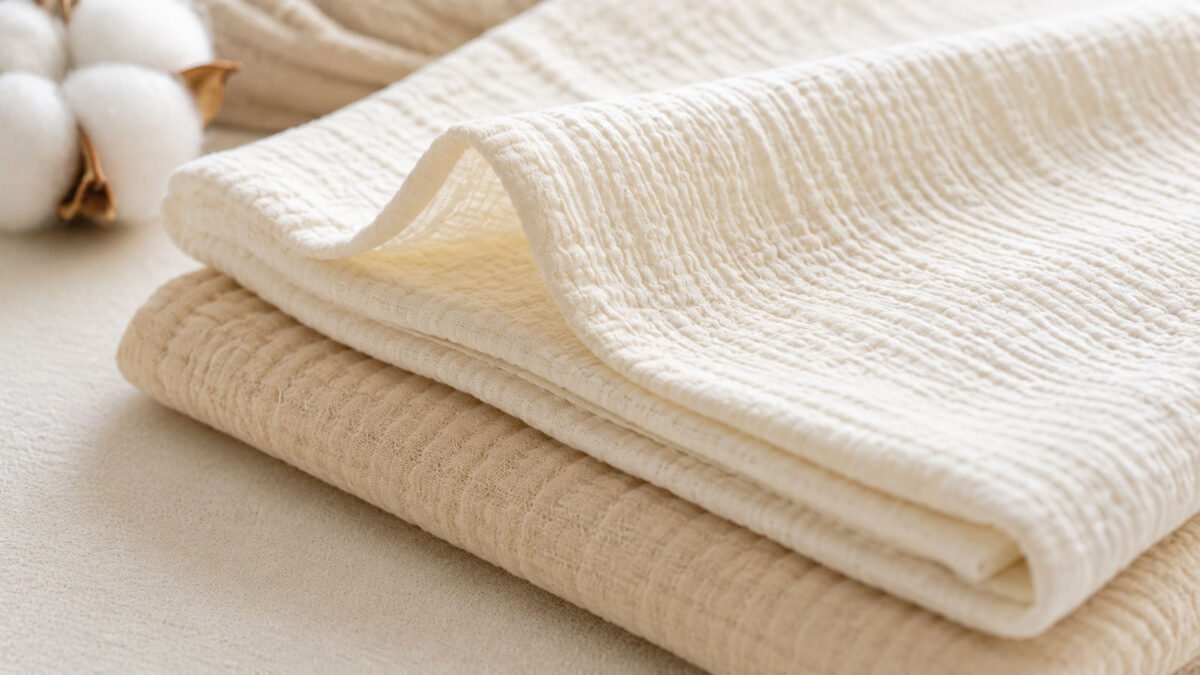
Fabric weight — measured in GSM, or grams per square metre — is the single most reliable number for judging a kids dress fabric’s quality, drape, durability and season. Two dresses can look identical in a photo yet feel and perform completely differently because their fabrics differ by 50 grams per square metre. This guide explains what GSM means and how to use it when you buy.
Browse the Collection
See how these fabrics, silhouettes and size ranges look on finished styles — filter by occasion, season and size range.
GSM is not an abstract textile detail — it is a practical buying tool. It tells you how substantial a fabric is, which translates directly into how a dress hangs, how warm it feels, how long it lasts and whether it needs a lining. Once you know the GSM of a fabric, a lot of other quality questions answer themselves.
If you are at the stage of comparing fabrics, our guide to evaluating fabric swatches shows you how to assess a physical sample, and our satin vs. tulle comparison applies weight to a real buying decision.
1. What GSM Actually Measures
GSM stands for grams per square metre — the weight of one square metre of fabric. It is a direct, comparable measure of how dense and heavy a fabric is, independent of fibre type. A heavier GSM means more material per unit area, which usually means a more substantial, durable, but also heavier and warmer fabric.
GSM matters because it captures information that is invisible in a photo:
- Substance — how thick and solid the fabric feels.
- Drape — heavier fabrics hang more heavily; lighter ones float and move.
- Durability — more grams per metre generally means a fabric that withstands wear and washing better.
- Warmth and opacity — heavier fabrics are warmer and less see-through.
2. GSM Ranges for Kids Dress Fabrics
Different fabrics live in different weight ranges, and each suits a different purpose. The table below is a practical reference for children’s dress fabrics.
| Fabric | Typical GSM | Character | Best for |
|---|---|---|---|
| Chiffon | 30–70 | Very light, sheer | Overlays, summer dresses |
| Tulle / mesh | 15–60 | Very light, net-like | Party and formal skirts |
| Cotton voile | 60–90 | Light, airy | Summer everyday dresses |
| Cotton poplin | 100–140 | Light-medium, crisp | Casual dresses |
| Satin | 120–180 | Medium, smooth | Formal bodices and gowns |
| Jersey knit | 150–220 | Medium-heavy, stretchy | Everyday and comfortable wear |
Request Fabric Swatches
Feel the fabric before you order. Tell us which styles you are considering and we will send swatches with the weight and composition noted.
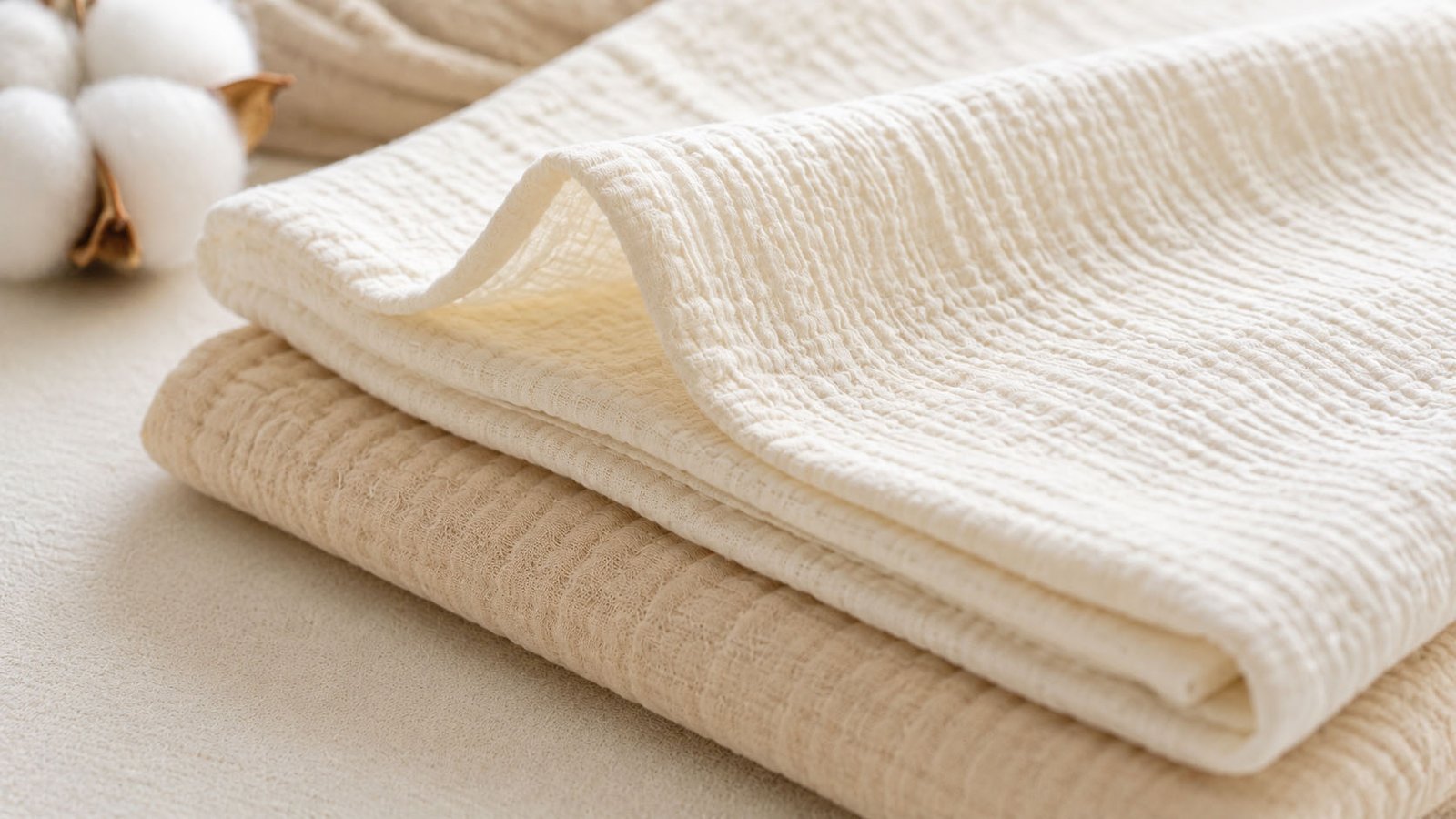
Weight is invisible in a flat photo — a close-up of the texture, plus the GSM number, tells you far more.
Notice the ranges overlap and vary by supplier, which is exactly why you should ask for the specific GSM of the fabric in a dress, not just the fibre name. “Cotton” could be a 70 GSM voile or a 200 GSM knit — two very different garments.
3. How GSM Affects Quality, Drape and Season
Weight drives the three qualities buyers care most about.
Quality and Durability
A fabric that is too light for its purpose wears out fast — it pulls at the seams, pills, and loses its shape. A heavier GSM within the right range generally means a fabric that survives more washes and more wears. But heavier is not automatically better: a party dress made from a heavy 220 GSM knit would lose all its twirl and lightness.
Drape and Silhouette
Weight is what gives a skirt its movement. A light tulle floats; a heavier satin falls in clean, structured lines. Getting the weight right is what makes a dress look expensive or cheap — this is why the same style in two different GSMs can look completely different on a child.
Seasonality
Weight is also a season signal. Lightweight fabrics (low GSM) breathe and suit summer; heavier fabrics (high GSM) retain warmth and suit autumn and winter. Stocking the right GSM for the season is part of inventory planning for a kids dress business.
4. Matching GSM to the Garment
The right weight depends entirely on what the dress is for. As a rule of thumb:
- Party and formal gowns — light tulle or chiffon for volume and movement, over a smooth satin or cotton lining for comfort.
- Everyday dresses — a medium cotton poplin or jersey that is breathable but durable.
- Summer dresses — the lightest weights (voile, light cotton) that keep a child cool.
- Winter and holiday dresses — heavier weights, often layered or lined for warmth.
Here is the same guidance as a quick reference table:
| GSM range | Best for |
|---|---|
| 140–160 GSM | Light summer cotton dresses, bamboo sleepwear |
| 180–210 GSM | Spring/autumn dresses, quality t-shirt dresses |
| 220+ GSM | Winter dresses, linings, structured full skirts |
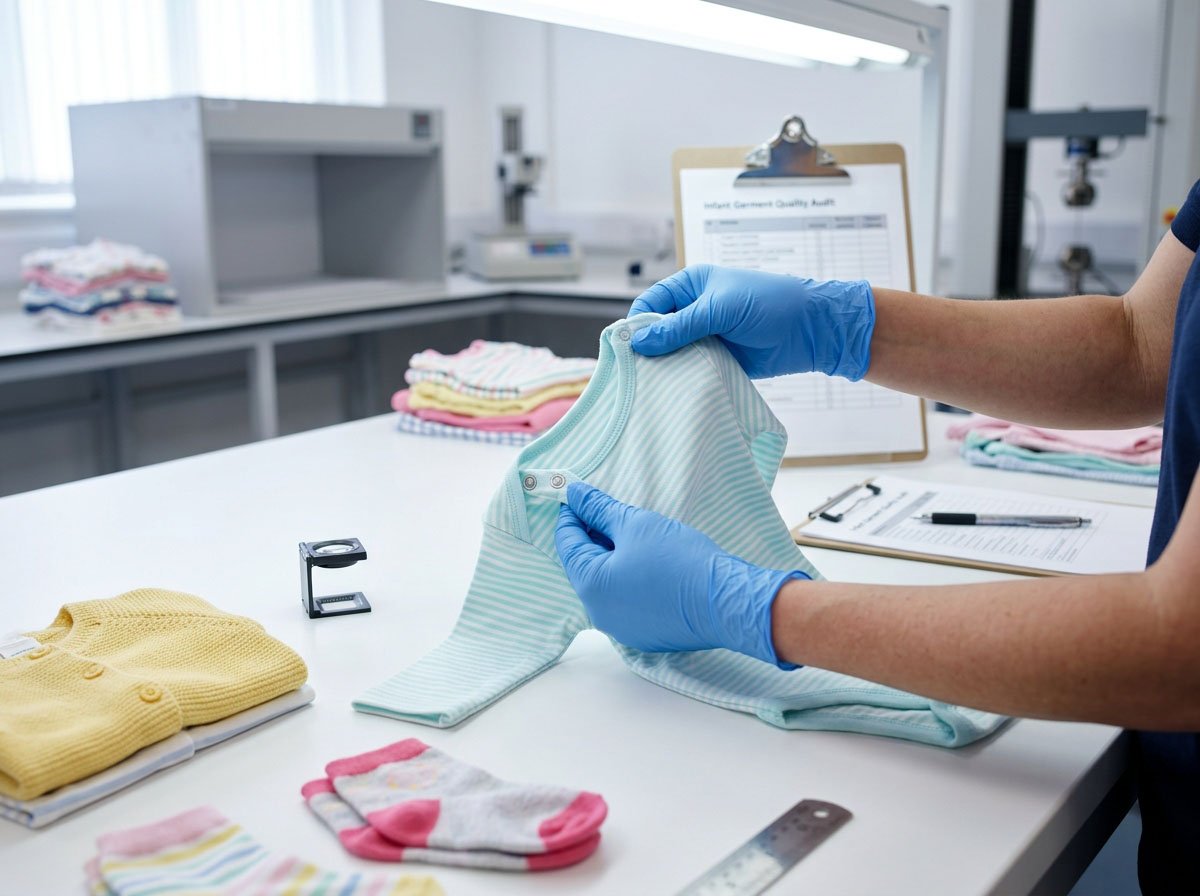
Check the fabric in your hands — weight, texture and drape — not just the product photo.
This is why the GSM belongs in your kids dress tech pack: it is the number that locks in the right weight for the design, so the factory produces what you actually approved, not a lighter substitute.
5. Using GSM When You Source
Turn GSM into a practical sourcing habit:
- Ask for the GSM of every fabric in a dress — outer, lining and any trims.
- Match the GSM to the garment’s purpose — party dress, everyday or seasonal.
- Verify against a swatch — a physical sample lets you feel whether the number matches the reality.
- Write the GSM into the order — so the factory cannot quietly substitute a lighter fabric.
- Confirm the supplier can repeat it — consistency across reorders is the real test of a supplier.
Weight is one of the few fabric properties that is both objective and decisive. Learn to read it, and you will buy dresses that look and feel the way you intended — and that hold up for the parents who buy from you.
For more on choosing fabrics deliberately, see our guide to sustainable fabrics for kids dresses and our look at bamboo fabric for kids wear.
Frequently Asked Questions
What does GSM stand for in fabric?
GSM stands for grams per square metre — the weight of one square metre of fabric. It is a direct, comparable measure of how dense and heavy a fabric is, independent of fibre type.
Is a higher GSM always better?
No. A higher GSM means a heavier, more durable fabric, but it is only “better” if it suits the garment. A party dress needs a light tulle to twirl, while an everyday dress benefits from a medium-weight, durable cotton. Match the GSM to the purpose.
What GSM is good for a kids party dress?
Party dresses typically use light fabrics — tulle or chiffon in the 15–70 GSM range — for volume and movement, over a smooth satin or cotton lining. The lining carries the comfort and opacity the light outer fabric does not provide. See our party dress collection for the right weights for each style.
How do I find out the GSM of a fabric?
Ask the supplier for the specific GSM of each fabric in the dress, then verify against a physical swatch. Write the GSM into your order or tech pack so the factory cannot substitute a lighter fabric.
Why does the same fabric differ in GSM between suppliers?
Fabric weight varies by how densely it is woven or knitted, the yarn thickness, and the finishing. Two suppliers can both call a fabric “cotton” but produce very different GSM, which is why you should always confirm the number.
How does GSM affect seasonality?
Low-GSM fabrics are light and breathable and suit summer; high-GSM fabrics retain warmth and suit autumn and winter. Matching GSM to the season is part of planning a kids dress inventory that sells through.
Know exactly what you’re buying
Ask us for the fabric weight, composition and construction of any dress — we’ll give you the specifics, not adjectives.
Leave a Reply