
A screen photo cannot tell you how a fabric feels, drapes or survives a wash. The single most valuable step you can take before a bulk kids dress order is to hold a physical swatch in your hand. This guide shows you how to request the right swatches and how to evaluate them like a professional, so you never discover a fabric problem on 2,000 finished dresses.
Browse the Collection
See how these fabrics, silhouettes and size ranges look on finished styles — filter by occasion, season and size range.
Fabric is the largest single driver of both cost and customer satisfaction in children’s formalwear. A dress that looks identical on screen can feel scratchy, lose its shape after washing, or arrive in a shade that is subtly wrong — and every one of those failures traces back to a fabric decision made from a photo instead of a swatch. Evaluating fabric swatches properly is one of the few due-diligence steps that costs almost nothing and prevents the most expensive mistakes.
Before you commit fabric to a design, make sure the design itself is factory-ready. See our guide to the kids dress tech pack, which is where fabric, color and construction details should live.
1. Why a Swatch Beats a Photo Every Time
Cameras and screens distort fabric in ways that matter. Colour shifts with white balance and monitor calibration; texture and hand feel are invisible; and thickness, weight and stretch cannot be judged from a flat image. A physical swatch lets you verify, with your own hands and eyes:
- Hand feel — softness, smoothness, and whether it will be comfortable against a child’s skin.
- Drape — how the fabric hangs and moves, which defines the silhouette of a dress.
- Weight and opacity — whether it is substantial enough for the design and whether it needs a lining.
- True colour — under natural light, not a product photo’s lighting.
- Stretch and recovery — how it behaves when pulled and whether it returns to shape.
Requesting swatches is a normal, expected part of the sourcing conversation. A supplier that resists sending swatches, or offers only “a photo of the fabric,” is telling you something important about how they handle risk.
2. What to Ask For in a Swatch Request
Be specific when you request swatches, and ask for more than one option. A good swatch request covers:
- The exact fibre and construction — e.g. polyester tulle, cotton sateen, or a specific blend.
- Multiple colourways — at least 2–3 shades of the same fabric so you can compare under real light.
- Lab dips or colour cards — for custom dyeing, a small dyed sample of the exact target shade.
- A decent size — a swatch should be large enough to drape and handle, not a thumbnail.
- Any finishes — softeners, anti-static or other treatments that affect feel and care.
3. How to Evaluate a Fabric Swatch Professionally
Once the swatches arrive, work through a short, repeatable checklist rather than relying on first impressions. Evaluate each swatch on the following dimensions:
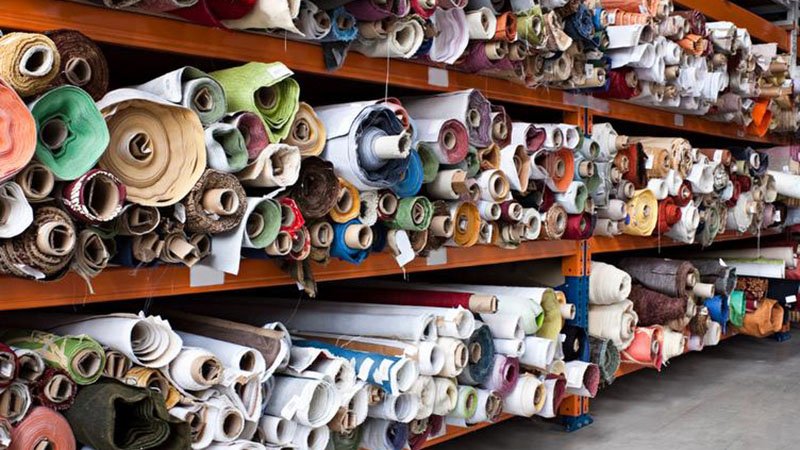
Handle the fabric, check the colour under daylight, and test how it drapes — not just how it looks flat.
| Check | What to look for | Why it matters |
|---|---|---|
| Hand feel | Soft, smooth, no prickle or stiffness | Comfort drives repeat purchases |
| Drape | Hangs and moves naturally | Defines the dress silhouette |
| Weight (GSM) | Consistent, suitable for the style | Affects structure and season |
| Colour | Matches target under daylight | Wrong shade = rejected batch |
| Stretch/recovery | Returns to shape when released | Prevents sagging and distortion |
| Edge/weave | Clean, even, no pulls or flaws | Quality and durability signal |
Request Fabric Swatches
Feel the fabric before you order. Tell us which styles you are considering and we will send swatches with the weight and composition noted.
Do not skip the physical tests. Rub the fabric between your fingers, stretch it, hold it up to a light source, and crumple it to see how it recovers. If you can, wash a small piece to check for shrinkage and colour bleeding — this is the test that catches the most expensive problems.
4. The Colour Question: Lab Dips and Lighting
Colour is where swatch evaluation most often goes wrong. A colour that looks right under a warm office light can look completely different under daylight or in a store. Two habits fix most colour problems:
- Judge under natural daylight, and if you sell online, also check under the lighting you photograph in.
- Request a lab dip for any custom colour — a small dyed sample of the exact target shade — and approve it before bulk dyeing begins.
For a colour-critical garment like a flower girl dress, insist on the fabric and the embellishment (lace, ribbon, sequins) being matched together, since different materials take dye differently. Our comparison of satin vs. tulle for flower girl dresses illustrates how the same colour can read very differently across fabrics.
5. From Swatch to Bulk: Locking In What You Approved
A swatch is only useful if the bulk production matches it. Protect yourself with three simple steps:
- Keep the approved swatch as the physical reference and photograph it alongside the approval note.
- Write the fabric spec into the tech pack, including fibre, GSM, colour reference and any finishes.
- Agree a pre-production sample in the approved fabric before bulk cutting begins.
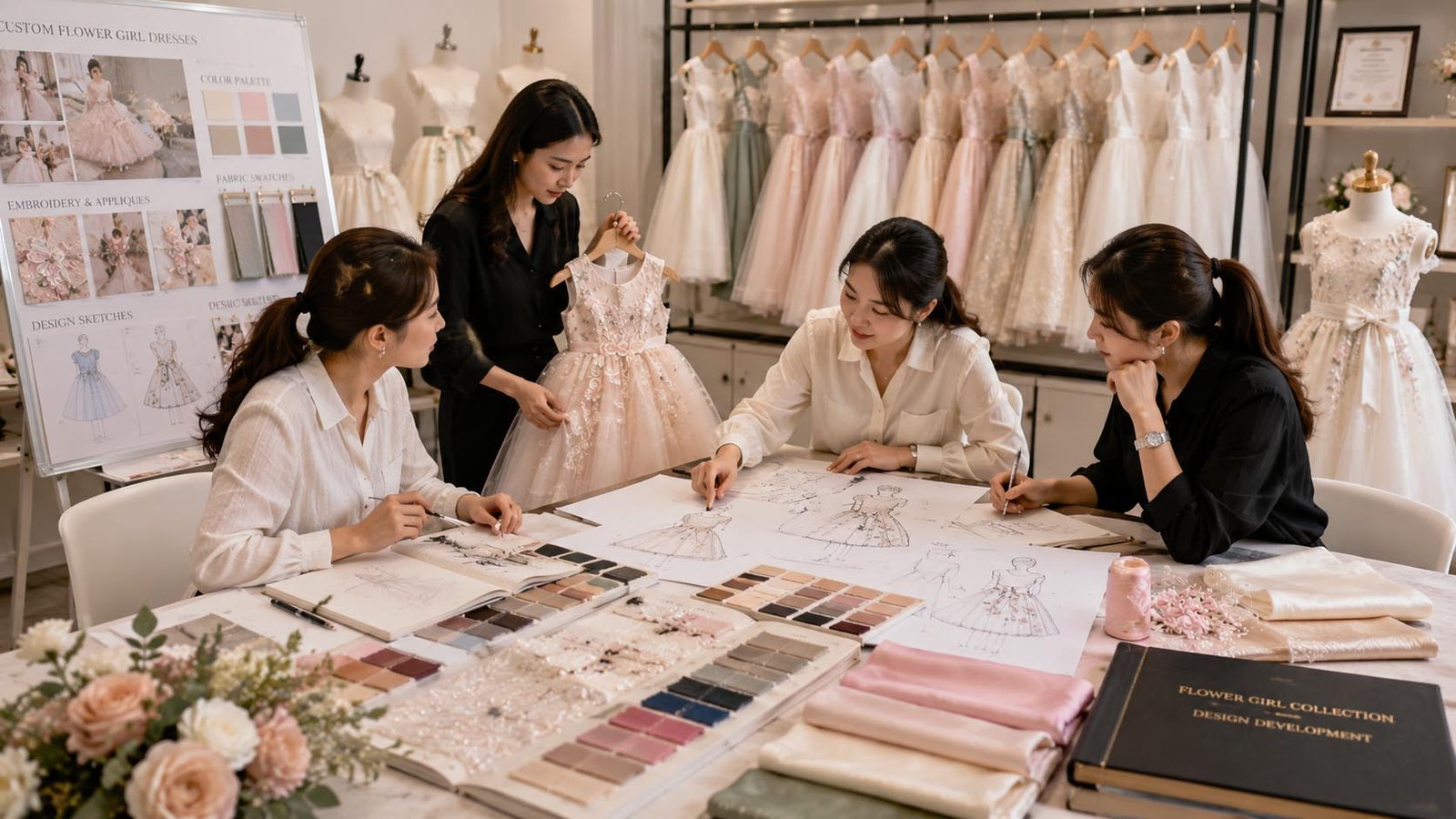
For OEM development, swatches are matched with colour cards and embroidery samples before any bulk production starts.
When you move into custom or OEM/ODM production, fabric selection becomes even more central, because you are specifying the material from scratch rather than buying an existing design. The same swatch discipline applies — in fact it matters more, since there is no finished sample to judge.
Finally, remember that a swatch tells you about the fabric, not about the factory’s ability to source it consistently. Ask whether the mill can supply the same fabric at scale, and whether the supplier can repeat the colour and weight on a reorder. A beautiful swatch from a one-off batch is a promise the bulk order may not be able to keep.
Frequently Asked Questions
How big should a fabric swatch be?
Large enough to drape and handle — roughly the size of a hand or larger. A thumbnail-sized sample cannot show you drape, weight or true colour. For colour-critical garments, ask for a lab dip in the exact target shade.
How many swatches should I request?
Ask for at least 2–3 colourways of the same fabric so you can compare under real light, plus a swatch of the lining. If you are deciding between fabrics, request one of each candidate so you can evaluate them side by side.
What is a lab dip?
A lab dip is a small piece of fabric dyed to your exact target colour, produced before bulk dyeing. You approve the lab dip, and the mill matches the bulk dye lot to it. It is the standard way to lock in custom colours.
Why should I check the lining, not just the outer fabric?
The lining is what touches a child’s skin, so a scratchy or stiff lining will drive returns even if the outer fabric is beautiful. Evaluate the lining’s hand feel and comfort as carefully as the outer fabric.
Can I test for shrinkage on a swatch?
Yes. Wash a small piece and measure before and after to check for shrinkage and colour bleeding. This simple test catches the most expensive problems before they appear in a full production run. You can request swatches from our collection before you commit.
What should I do if the bulk fabric does not match the approved swatch?
Reference the approved swatch and the fabric spec in your tech pack, and reject or hold the batch before cutting. This is why keeping the physical swatch and writing the spec down are both essential — they are your evidence if the fabric drifts.
Request fabric swatches
Need to test our fabrics firsthand? Request our 2026 Season Fabric Swatch Card — tell us which styles you’re considering and we’ll send swatches, colour cards and lining samples so you can evaluate the fabric in your own hands.
Leave a Reply