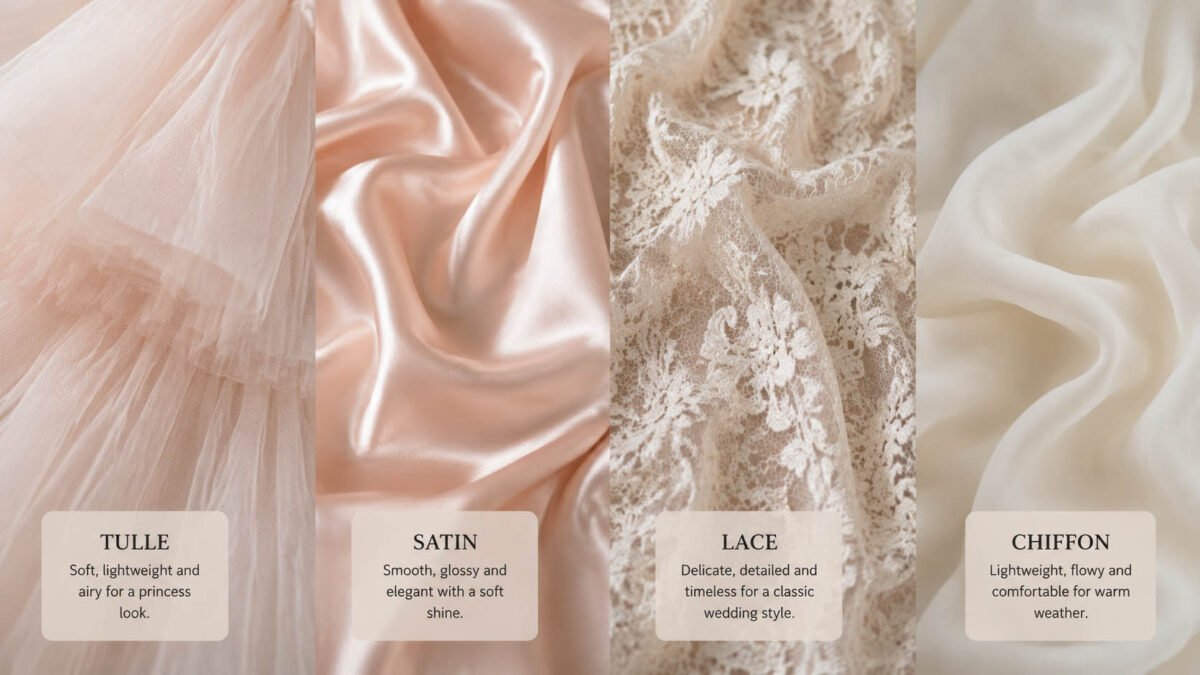
Sustainability is no longer a niche in childrenswear — it is a buying signal, especially for eco-conscious parents who are willing to pay a premium for a dress they can feel good about. As a wholesale buyer, the opportunity is not to sell “green” as a buzzword, but to understand which fabrics and fibres carry genuine appeal, how to verify them, and where the margin lives. This guide covers the options and the verification, so you can stock sustainable without greenwashing.
Browse the Collection
See how these fabrics, silhouettes and size ranges look on finished styles — filter by occasion, season and size range.
Childrenswear sits at the front of the sustainability conversation because parents buy for someone who cannot choose for themselves, and because kids outgrow clothes quickly — which raises questions about durability, materials and disposal. For a boutique buying wholesale girls’ dresses, a well-chosen eco angle is a genuine differentiator, not a gimmick.
This guide walks through the main sustainable fibre options, how to verify environmental claims, and how sustainability changes your cost and pricing.
1. What “Sustainable Fabric” Actually Means
The word is used loosely, so start with a clear mental model. A fabric can be more sustainable in several different ways, and they are not the same thing:
- Lower-impact raw material — organic cotton or bamboo instead of conventional cotton or virgin polyester.
- Recycled content — recycled polyester made from post-consumer bottles, reducing virgin material.
- Closed-loop production — fibres made in processes that recover water and solvents.
- Durability and longevity — a dress that lasts longer and is handed down is, in a real sense, more sustainable.
No single fabric wins on all four. The right choice depends on what your customer actually values — many eco-conscious parents care more about natural fibres and comfort than about recycled content, so know your buyer.
2. The Main Fibre Options in Childrenswear
These are the fibres you will encounter most often when sourcing more sustainable kids’ dresses. Treat them as an overview, and always verify the specific claim with your supplier rather than taking a fibre name at face value.
Organic Cotton
Organic cotton is grown without synthetic pesticides and fertilisers. In childrenswear it is prized for softness and breathability, and it appeals strongly to parents concerned about chemicals against a child’s skin. It is most relevant for casual and everyday dresses rather than structured occasionwear.
Bamboo and Bamboo Blends
Bamboo-derived fibres (often sold as bamboo viscose or lyocell) are marketed for softness and natural origin. The environmental picture is more nuanced — the raw bamboo is fast-growing, but the processing method determines the real footprint. Look for closed-loop production claims and verify them.
Recycled Polyester
Recycled polyester is made from post-consumer plastic and is the most common “eco” option in formalwear, because it performs like virgin polyester while reducing waste. Recycled tulle and satin are increasingly available, making it the most practical eco swap for occasion dresses.
Tencel / Lyocell
Lyocell (often branded Tencel) is a wood-pulp fibre made in a closed-loop process. It is soft, breathable and drapes well, and it carries a strong sustainability story. It appears more in premium casual and dress lines than in budget formalwear.
| Fibre | Appeal | Best used for | Watch out |
|---|---|---|---|
| Organic cotton | Soft, natural, chemical-free | Casual, everyday dresses | Verify organic certification |
| Bamboo viscose | Soft, natural origin | Casual, sleepwear-adjacent | Processing method matters |
| Recycled polyester | Performs like polyester, less waste | Tulle, satin occasionwear | Confirm recycled content % |
| Tencel / lyocell | Soft, closed-loop, drapes well | Premium dress lines | Higher cost |
Request Fabric Swatches
Feel the fabric before you order. Tell us which styles you are considering and we will send swatches with the weight and composition noted.
Illustrative overview — always confirm the exact fibre and its certification with your supplier.
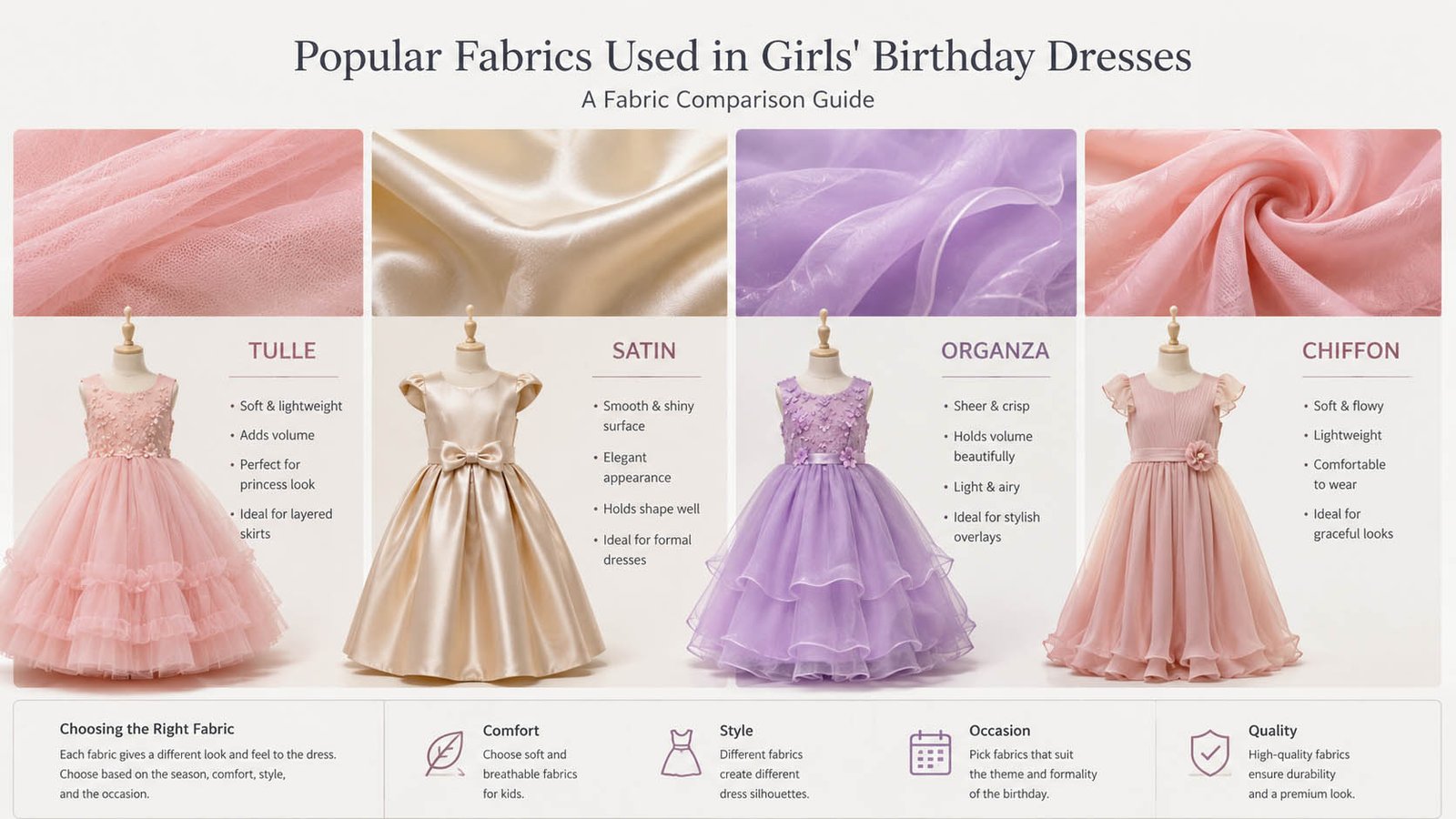
Understanding the base fabric is the first step before evaluating its sustainable alternative.
3. How to Verify Sustainability Claims (Avoid Greenwashing)
Greenwashing — making a product sound greener than it is — is the biggest risk in this category. Protect yourself and your customers with these checks:
- Ask for certification. Reputable suppliers can provide documentation from an independent third party for organic or recycled content. A verbal “it’s eco” is not a claim you can put on a label.
- Ask for the percentage. “Recycled polyester” might mean 5% recycled or 95%. Ask for the exact recycled content and the certification that backs it.
- Ask about the process. For bamboo and lyocell, the environmental story depends on the production process. Ask whether it is closed-loop and whether the supplier can document it.
- Match the care label. Whatever you claim in marketing must match the fibre content on the care label — a mismatch is a compliance risk.
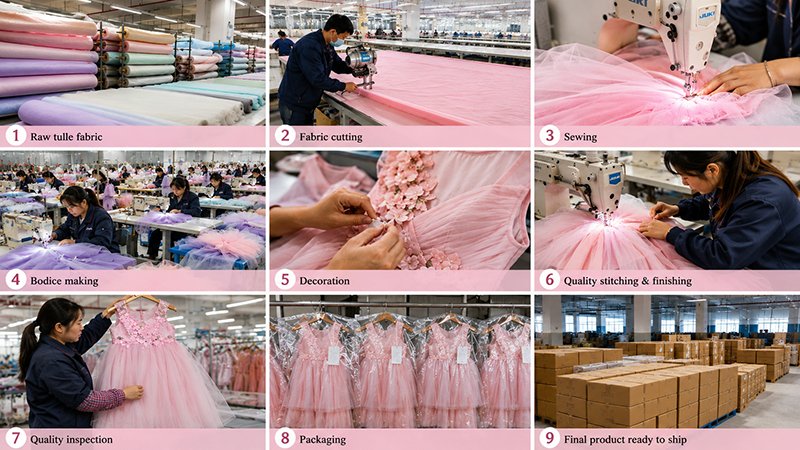
Ask the factory to document the fibre source and processing method — not just the fibre name.
4. How Sustainability Changes Cost and Pricing
Sustainable fibres usually cost more to source, but they can support a higher retail price. The economics work like this:
- Higher landed cost — organic, recycled and lyocell fibres carry a premium over conventional equivalents, typically a meaningful percentage.
- Higher retail ceiling — eco-conscious parents accept a price premium for a documented sustainability story.
- Narrower, more loyal audience — the buyer pool is smaller but more committed and less price-sensitive.
Whether the margin is better depends on your market. The practical move is to test a small sustainable capsule first — a few eco styles alongside your core range — rather than re-sourcing your whole collection at once.
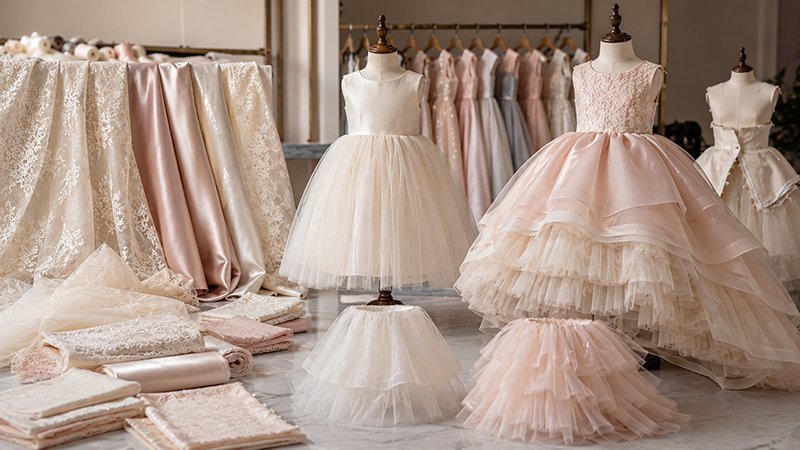
Sustainable fibres shift the cost curve — price to the eco-conscious buyer’s willingness to pay, not just to your invoice.
5. Positioning Sustainability to Your Customers
Once you have sourced a genuinely more sustainable option, how you talk about it determines whether it sells at the premium:
- Lead with the specific, verifiable claim — “recycled polyester tulle” is stronger than a vague “eco-friendly dress”.
- Explain why it matters for kids — comfort, skin-friendliness and durability resonate more than abstract environmental metrics.
- Be honest about the trade-offs — a recycled tulle dress is not identical to virgin tulle in every respect; transparency builds trust.
- Keep the claim narrow — claim the fibre, not a whole lifestyle. “Made with recycled polyester” is defensible; “save the planet” is not.
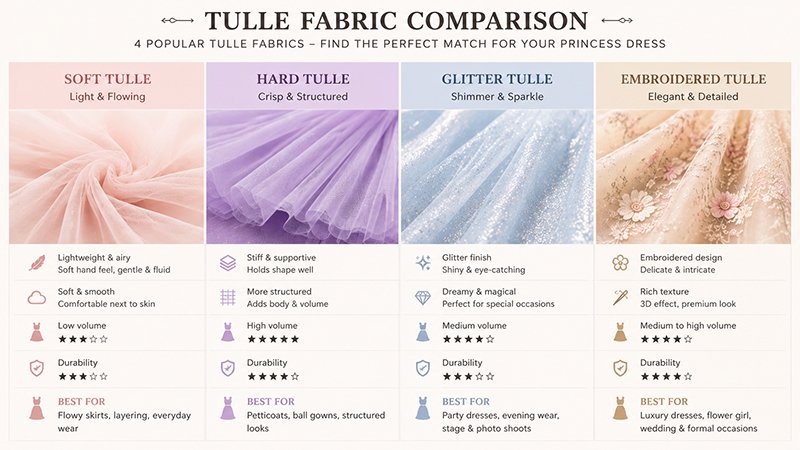
When a recycled or eco tulle option exists, position it as a specific, documented choice — not a vague promise.
6. A Sustainable Sourcing Checklist
Pull the whole thing together with a short checklist for your next order:
- Choose the fibre that matches your customer (organic cotton for casual, recycled polyester for formal).
- Verify the claim — request third-party certification and the exact percentage.
- Confirm the care label matches the fibre and any eco claim.
- Test a small capsule before scaling a full sustainable range.
- Price to the documented claim, and market the specific, not the vague.
When you are ready to explore the range, you can browse the ready-stock collection to see current fabric options across the dress collection, and discuss specific fibre sourcing for a custom OEM/ODM run.
Frequently Asked Questions
What is the most sustainable fabric for kids’ dresses?
There is no single answer — it depends on your priority. Organic cotton is best for natural-fibre comfort, recycled polyester is the practical eco swap for formalwear, and lyocell offers a closed-loop story for premium lines. Verify any claim with certification.
How do I know a fabric is genuinely sustainable?
Ask for independent third-party certification, the exact recycled or organic percentage, and documentation of the production process. A verbal “eco” claim without documentation is greenwashing.
Does sustainable fabric cost more?
Usually yes — organic, recycled and lyocell fibres carry a premium over conventional equivalents. But eco-conscious customers generally accept a higher retail price, so the margin can still work if you price to the documented claim.
Can I use recycled tulle for formal dresses?
Recycled polyester tulle is increasingly available and performs like virgin tulle, making it the most practical eco option for occasion dresses. Confirm the recycled content percentage and certification from your supplier.
Is bamboo fabric sustainable?
Bamboo is fast-growing, but the environmental picture depends on the processing method used to turn it into fibre. Look for closed-loop production and ask the supplier to document the process.
Source sustainable without the guesswork
Tell us which fibres your customers are asking for — we’ll confirm availability, verification and MOQ for your order.
Leave a Reply